Curiosity in bloom
After three decades at UW Tacoma, Associate Professor Cheryl Greengrove has helped build science programs, mentor generations of students and study the changing waters of the Salish Sea. Now, an unusual bloom of harmful algae in Hood Canal has presented a new mystery: one that challenges what scientists thought they knew about a toxin-producing organism called Alexandrium. For Greengrove, the unanswered questions are exactly what make the work worthwhile.
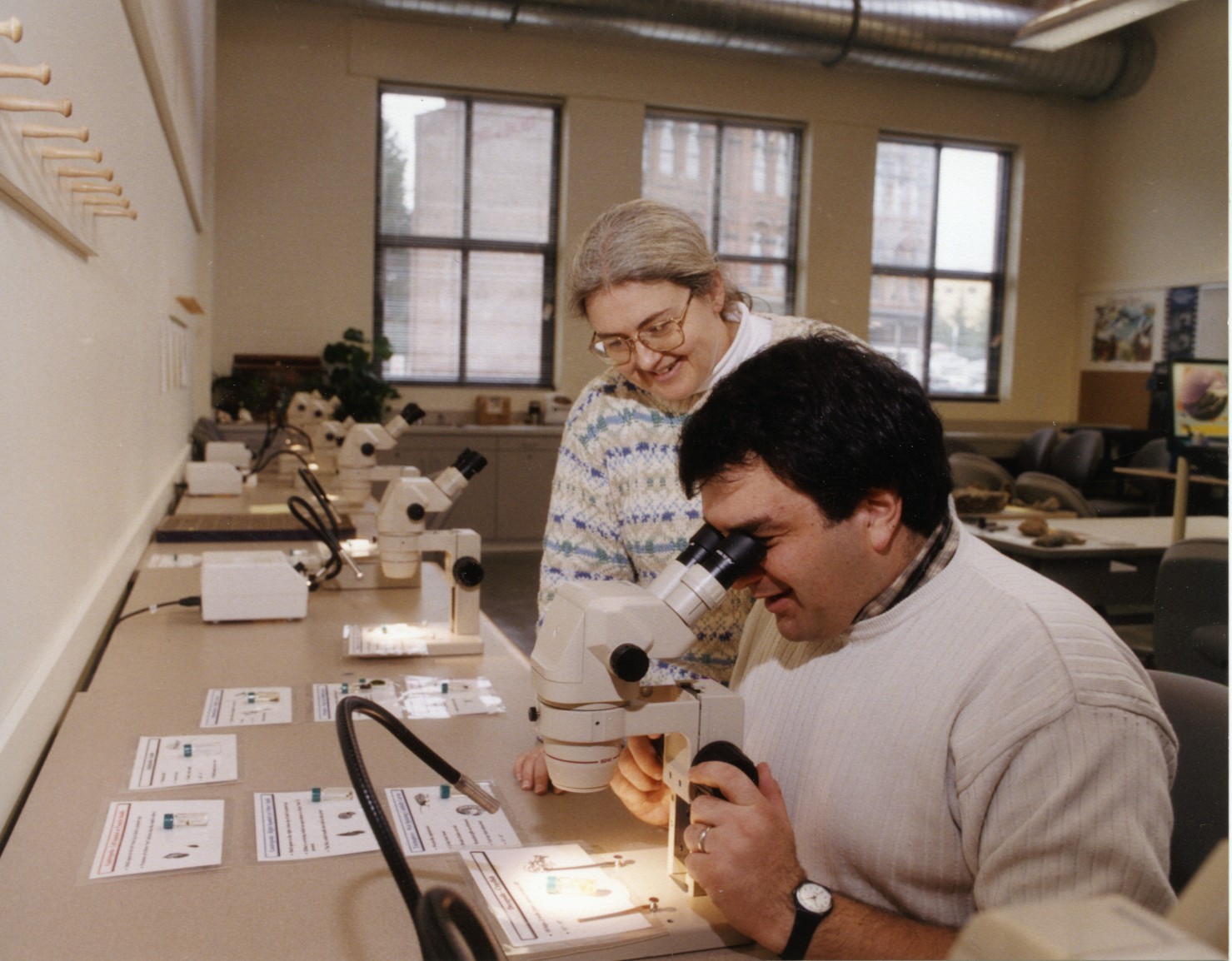
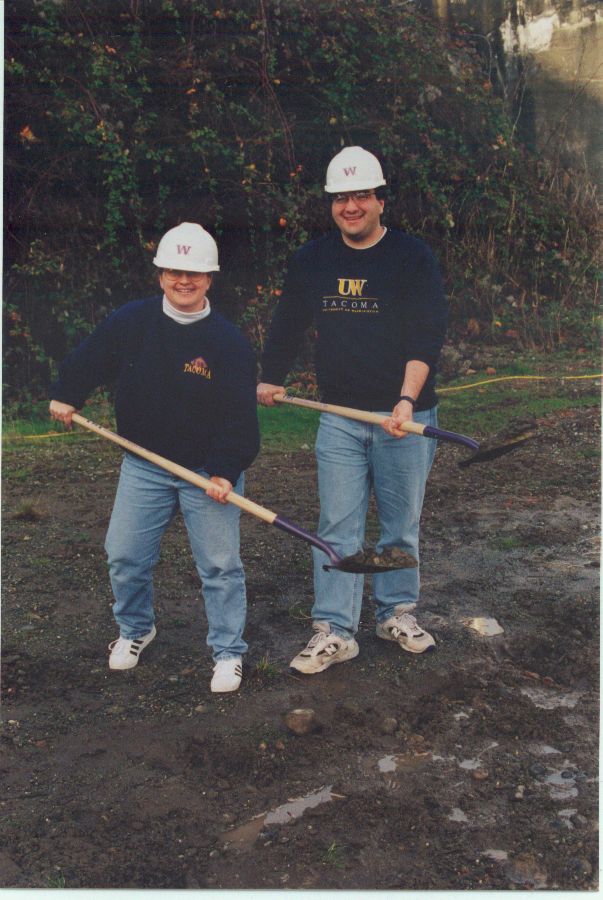
When Associate Professor Cheryl Greengrove arrived at the University of Washington Tacoma, there wasn’t much of a science program to speak of.
No degree programs. No library. There wasn’t even a building to teach in, let alone a classroom.
In fact, Greengrove still laughs when she remembers an early assignment as one of the University’s first two science faculty members in 1996:
“We met with the librarian,” she recalled. “There were a bunch of empty shelves. She said to us, ‘It’s up to you to stock the library with books about science,’ and we replied, ‘All of the science?’”
After all this time, Greengrove is still asking questions.
The latest one involves a microscopic marine organism called Alexandrium, a naturally occurring phytoplankton that produces a powerful neurotoxin that can become concentrated in filter-feeding shellfish and cause paralytic shellfish poisoning when humans ingest them.
Though the organism itself is tiny, the stakes are anything but: During harmful algal blooms, shellfish harvests can be shut down, affecting communities, public health and Washington’s shellfish industry.
For Greengrove, an oceanographer who’s spent decades studying the Puget Sound, the recent Alexandrium bloom in Hood Canal goes beyond scientific research and lands firmly in the “mystery” category.
And what scientist doesn’t love an unanswered question?
If you ask Greengrove, the best kind of research begins when the world throws a curveball. This summer, Alexandrium appeared in Hood Canal in an unexpected, head-scratching sort of way:
Previous blooms generally originated farther north, but this year’s event appeared to kick off in the southern portion of the canal, where Alexandrium cysts are much less likely to occur.
It’s troubling enough that it happened, but worse, researchers don’t know why. “Why now?” Greengrove speculated. “We don’t know the answer to that question — not yet.”
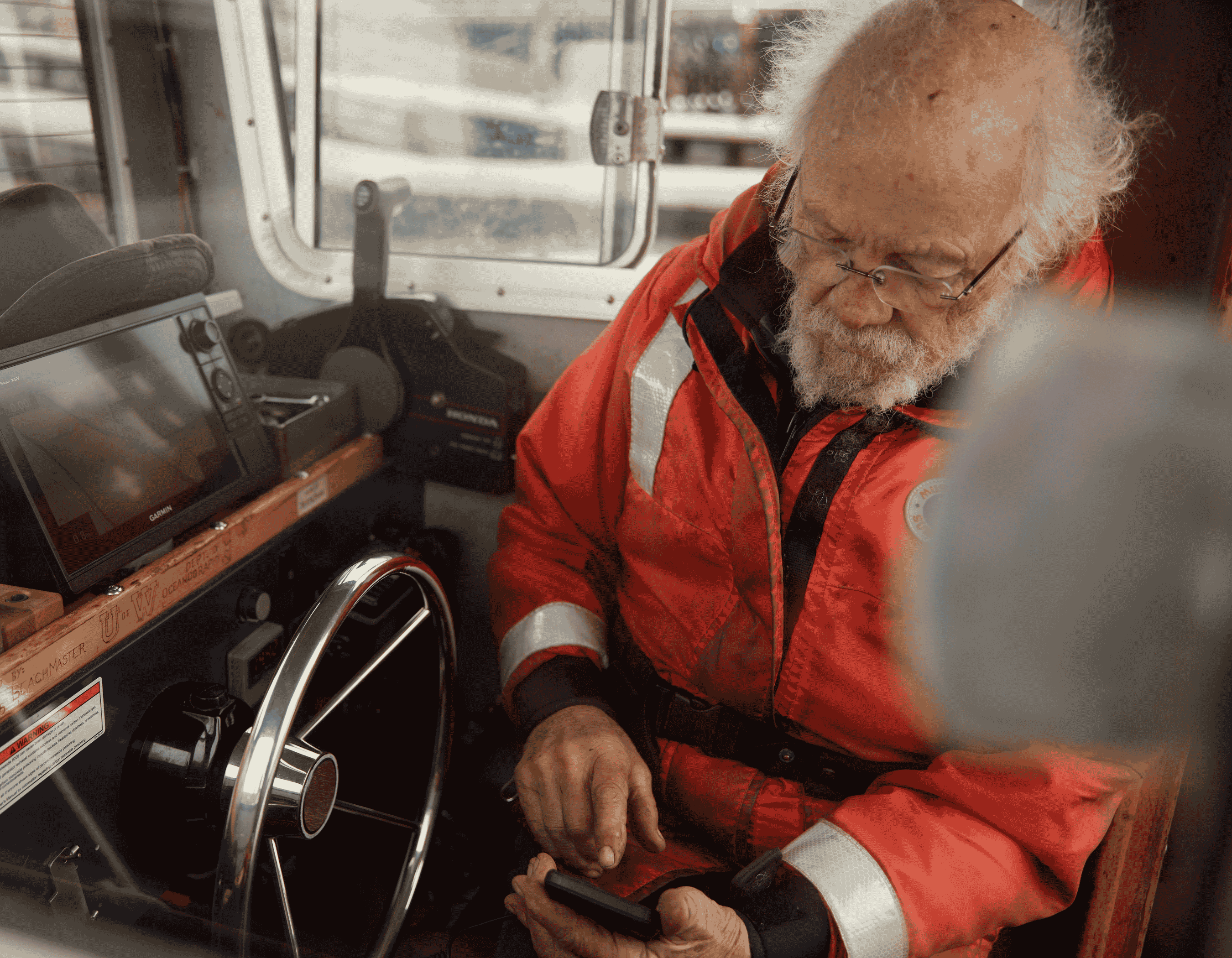
The uncertainty can be frustrating for some. For Greengrove, it fuels the fire.
“The whole mechanism is out the window,” she said, describing how this year’s bloom challenged assumptions developed over years of careful observation. “We’ve got to take a closer look.”
That same spirit of curiosity has guided much of Greengrove’s career.
Long before recent headlines, Greengrove was studying Alexandrium and paralytic shellfish poisoning in Puget Sound. A decade later, she helped lead NOAA-funded research to improve methods for detecting Alexandrium cysts hidden in marine sediments.
The technology has evolved, and the questions may have changed, but the curiosity hasn’t.
Clues in the mud
The public usually sees the consequences of harmful algal blooms: beach closures, shellfish advisories and other warning signs.
From a researcher’s point of view, these are clues.
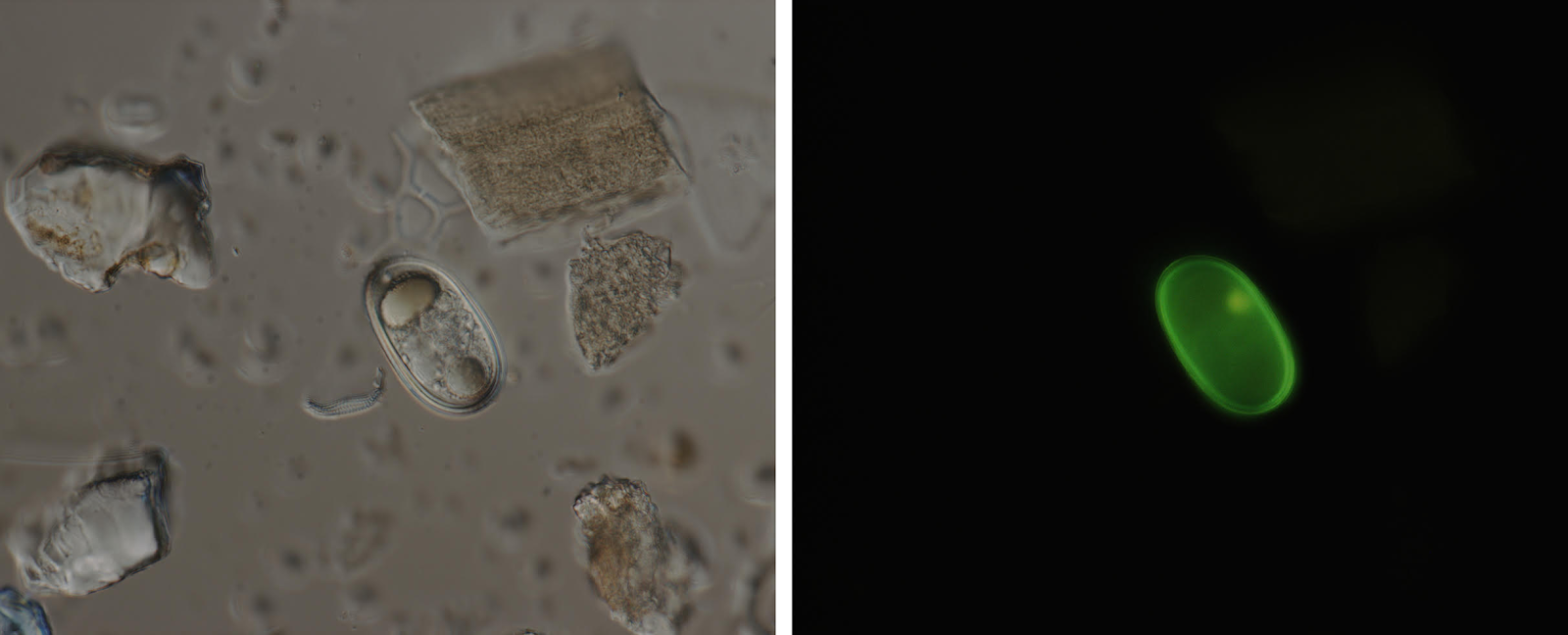
Alexandrium spends part of its lifecycle dozing within layers of marine sediments, forming itself into tiny cysts as a protective measure to survive harsh environmental changes.
In this dormant state, Alexandrium slows its metabolic processes, allowing the cysts to remain viable for years as they await optimal conditions to emerge again.
When they do, the resulting algal bloom leads to deadly concentrations of Alexandrium catenella cells in the flesh of oysters, clams and cockles, carrying the biotoxin that causes paralytic shellfish poisoning in humans.
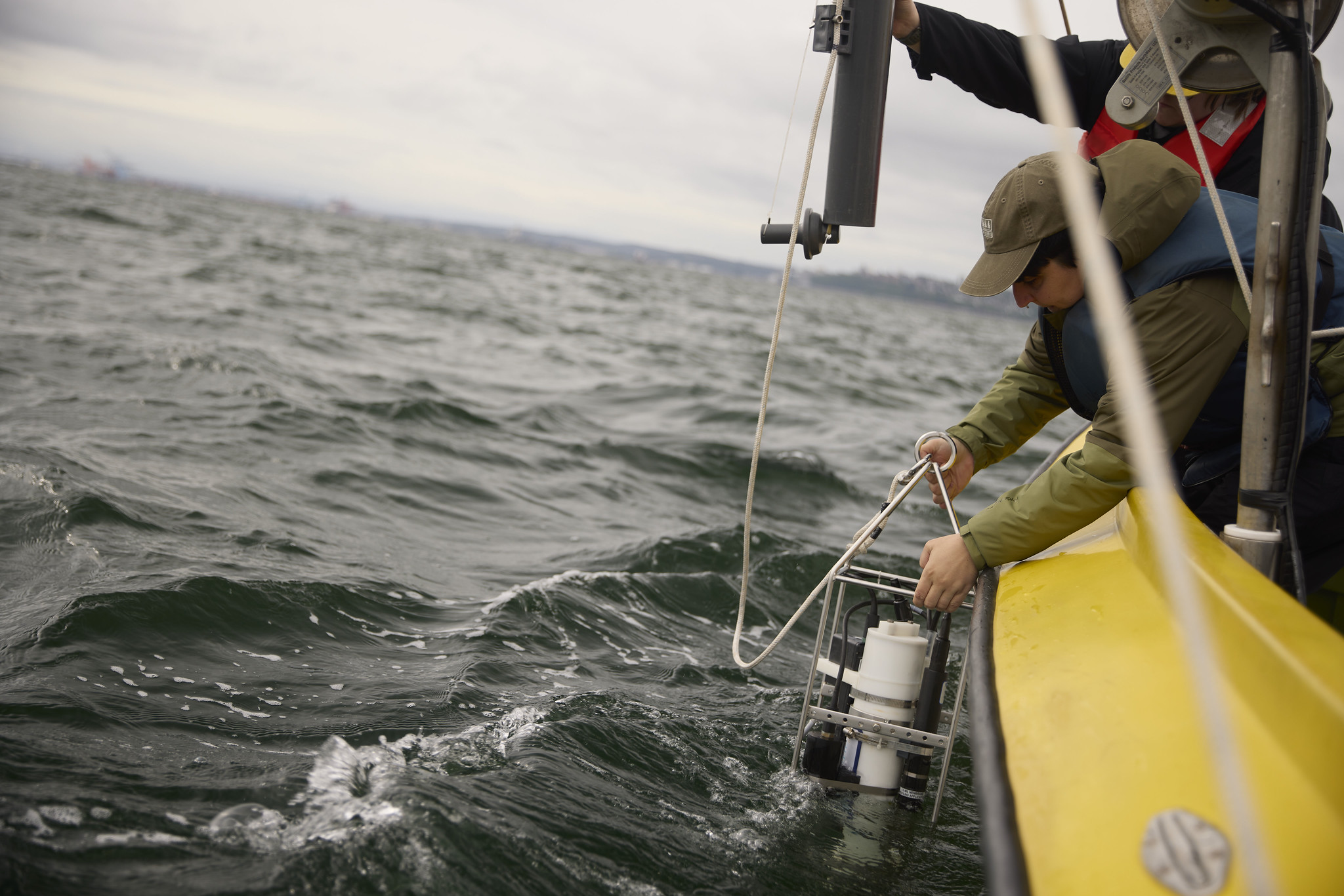
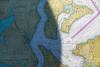
By mapping where these cysts settle in the sediment, researchers can better understand where future blooms may develop.
The work isn’t glamorous, but its importance can’t be overstated — not for the oyster enthusiasts among us, nor the farmers who supply them (both plentiful in Washington State, the nation’s leading producer of farmed shellfish).
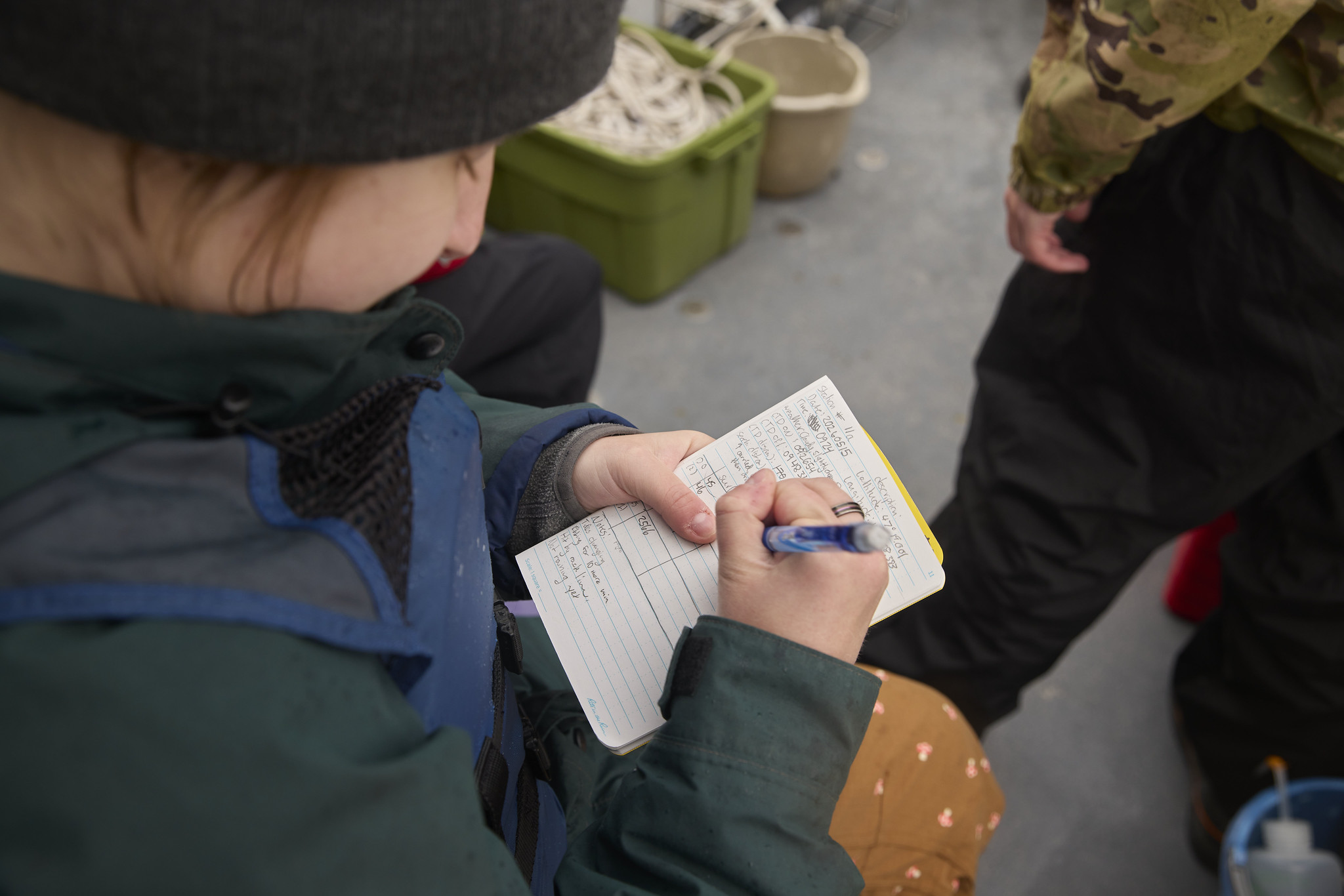
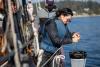
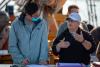
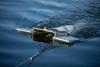
Greengrove describes collecting sediment samples, processing mud in the laboratory and staining cysts until they appear as “little yellow jelly beans” under a microscope. Then comes the painstaking work of counting those little jelly beans one by one.
This is where long-time research collaborator and sedimentologist Julie Masura comes in.
“Without the teamwork with Julie and the students in the field and in the lab, I could never have done all these studies.”
If the algae bloom is a mystery, then this is the detective work.
And like any great detective story, you’d do well to expect the unexpected.
In 2014, unusually warm water associated with what became known as “The Blob” — a formidable marine heat wave off the Pacific Coast whose name was coined by Washington State Climatologist Nick Bond — contributed to one of the first major Alexandrium blooms in Hood Canal.
Researchers mapped the aftermath and tracked where cysts settled.
Over time, the system quieted down; Warm waters brought in by The Blob in the northeast Pacific have since cooled, but haven’t yet returned to their original temperatures.
Then, this year, the Alexandrium bloom returned in a way no one anticipated:
That means new questions to ask. New samples to take. New discoveries to make.
“I was looking to retire,” Greengrove laughed. “But maybe not yet.”
arrow_back_ios
arrow_forward_ios
arrow_back_ios
arrow_forward_ios
arrow_back_ios
arrow_forward_ios
arrow_back_ios
arrow_forward_ios
arrow_back_ios
arrow_forward_ios
arrow_back_ios
arrow_forward_ios

arrow_back_ios
arrow_forward_ios
arrow_back_ios
arrow_forward_ios
arrow_back_ios
arrow_forward_ios

arrow_back_ios
arrow_forward_ios
arrow_back_ios
arrow_forward_ios
arrow_back_ios
arrow_forward_ios
arrow_back_ios
arrow_forward_ios

arrow_back_ios
arrow_forward_ios

arrow_back_ios
arrow_forward_ios
arrow_back_ios
arrow_forward_ios
arrow_back_ios
arrow_forward_ios
arrow_back_ios
arrow_forward_ios
arrow_back_ios
arrow_forward_ios
Students share the story
Ask Greengrove about her research, and it won’t be long before she pulls her students into the conversation — literally and figuratively. In the Greengrove Lab, every project does.
“All of my research involves undergraduate students,” she said. “All of it, since day one.”
That commitment has become a defining element of her academic career.
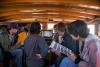
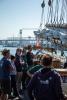
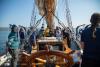
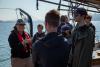
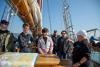
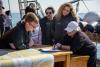
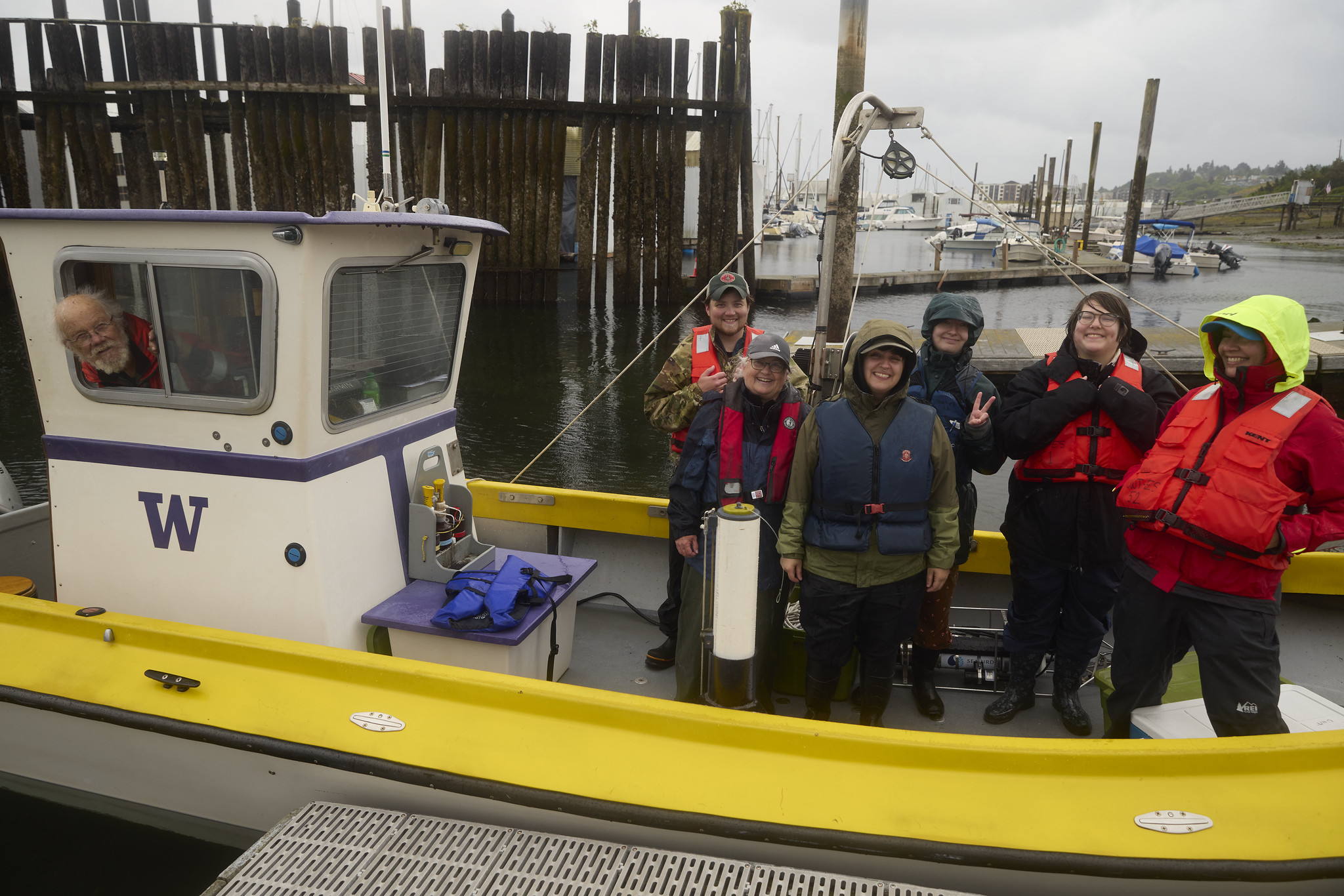
Students join field expeditions. They collect samples. They process data, conduct research and experience science outside of a textbook alongside faculty members at the top of their fields. But perhaps the most important thing that students in the Greengrove Lab learn is this:
Real science is messy.
“Science is hard,” Greengrove said. “It’s persistence, it’s grit — science isn’t done alone.”
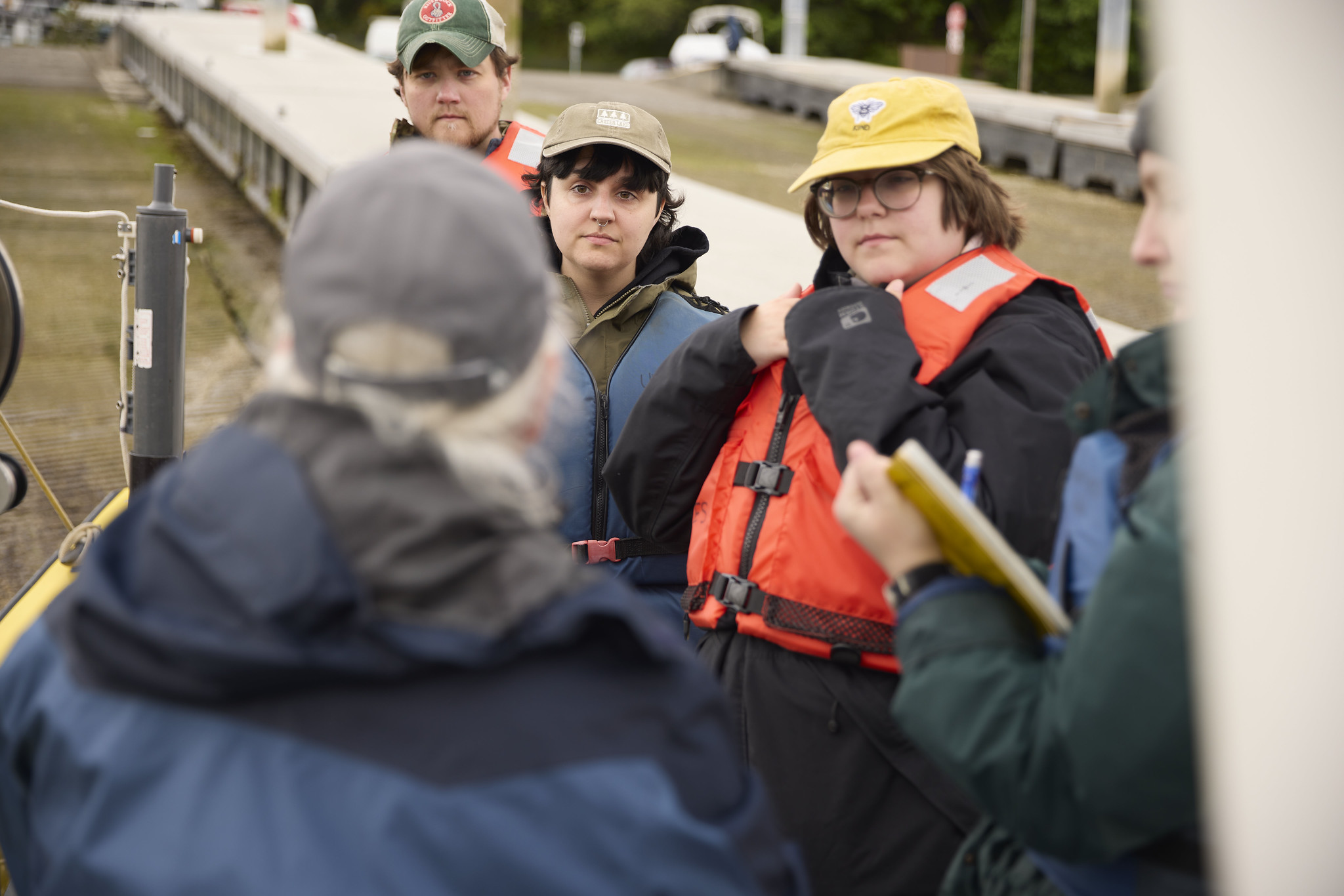
In her classes, students work as research teams, combining data, testing ideas and learning how to adapt when results don’t unfold as expected.
“You’re basically trying to make up a story about what nature is doing,” she said.
Sometimes nature cooperates.
Sometimes it doesn’t.
Either way, students learn to persist.
Greengrove hopes her students leave with confidence, not just technical skills.
“I think gaining the confidence to trust themselves that they can actually do it,” she said. “Those are the things I want my students to take away from our time together.”
Building something meant to last
Greengrove describes herself as a builder. Looking back, it’s easy to see why.
She helped launch science at UW Tacoma. She helped develop degree programs in environmental science. She helped design the campus science building. She helped create research opportunities that continue to shape students today.
“It’s not every day you get to build a campus,” Greengrove reflected.
If you ask her how she measures success, however, she doesn’t point to buildings. Instead, she points to people.
Former students of Greengrove’s now work throughout the region at the Washington State Department of Health, Washington State Department of Ecology, NOAA, consulting firms, nonprofits, schools and public agencies. Many return to Greengrove to recruit the next generation of UW Tacoma graduates.
“We nurtured such an incredible network of students,” Greengrove said.
If you put it to her, that’s the legacy she’s proudest of: guiding students to the shores of Puget Sound to deepen their understanding so they might recognize their role in the broader ecosystem, and, by extension, the world.
Even now, after three decades of teaching, building and researching, the Hood Canal has handed Greengrove another unanswered question.
The samples will be collected, the data will be analyzed and the Alexandrium bloom may eventually be explained. And somewhere between a research vessel, a classroom and a stretch of Pacific Northwest shoreline, Cheryl Greengrove will find another curiosity worth chasing.
Chances are, she’ll bring a few students along for the ride.
By Olivia Carson