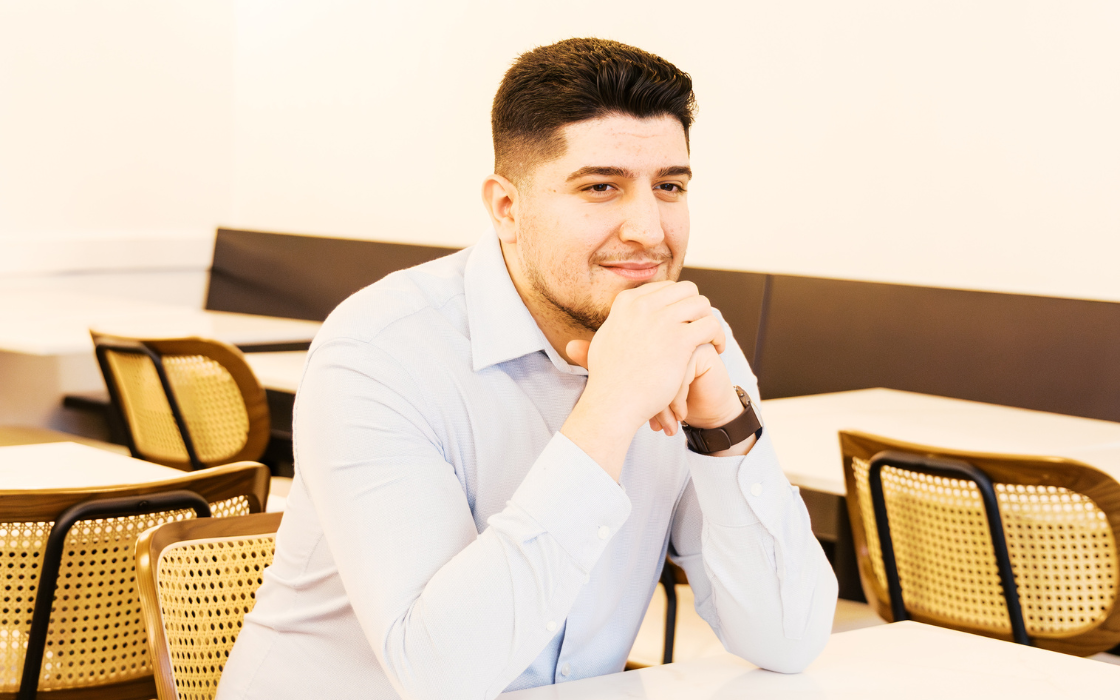
Husky Homecoming: Karrar Hashem (‘21) brings new location of Lune Cafe to UW Tacoma
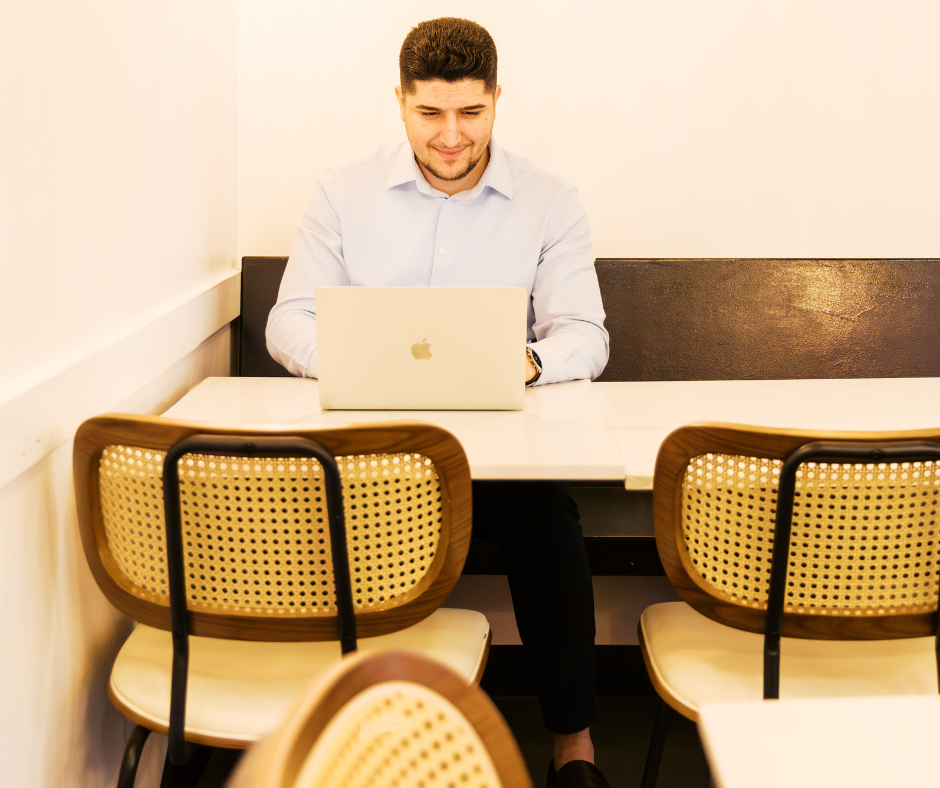
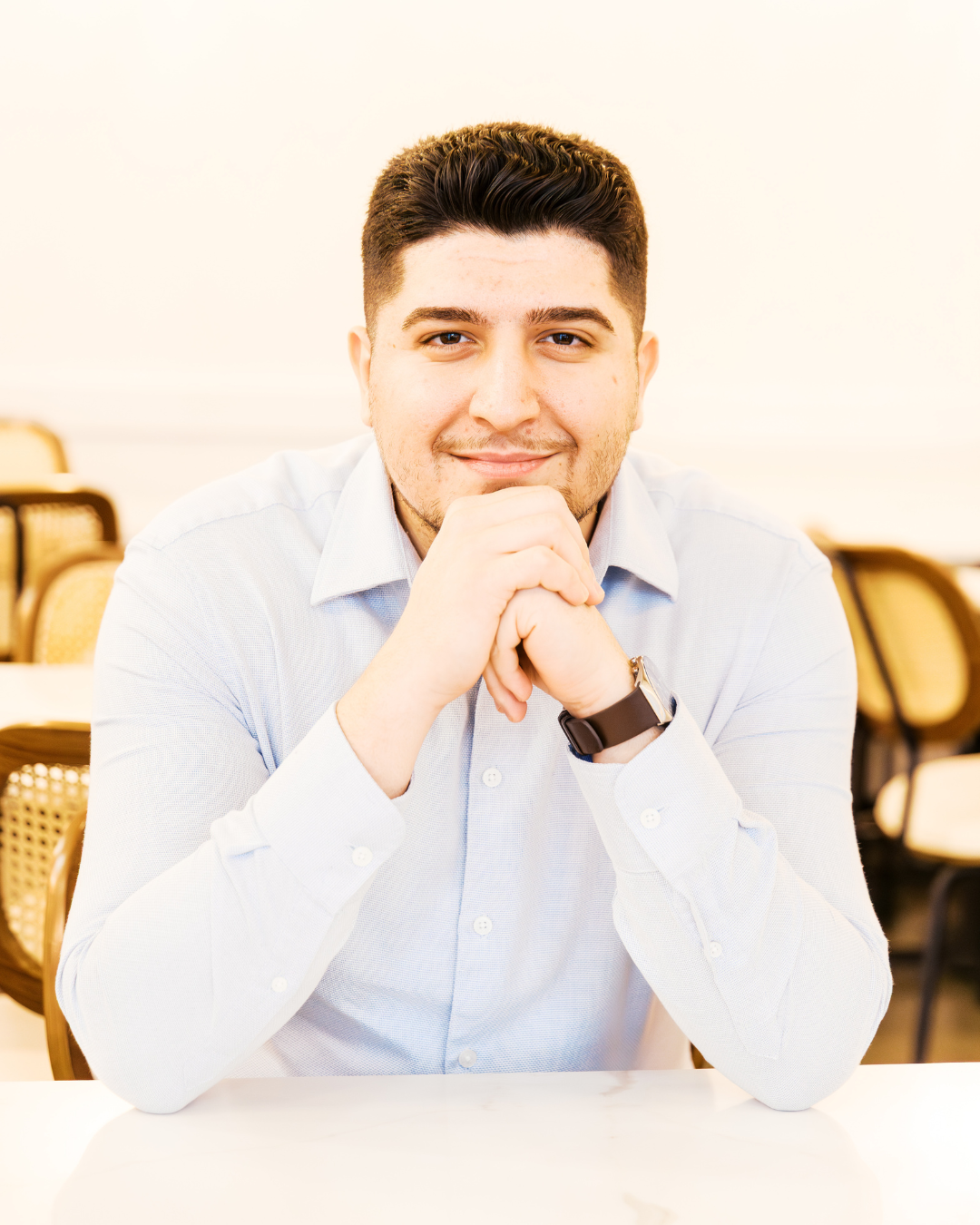
On a gray Tacoma afternoon — one of those calm, oddly comforting ones — you’ll find Karrar Hashem seated in the exact corner of campus where he used to pass the time between classes.
Long before he graduated from UW Tacoma in 2021, a favorite spot of Hashem’s was the corner booth of what is now Lune Cafe, the sixth brick-and-mortar location of his thriving, caffeinated empire. It was in that very seat, surrounded by the familiar buzz of campus life, that Hashem first sketched out the idea for a cafe concept that felt warm, creative and community-driven.
He points to that corner booth like it’s a landmark only he can see.
“That’s where I thought up the whole thing,” Hashem says, half-laughing at the memory.
Back then, he was a marketing student at the Milgard School of Business with a running list of late-night cravings and a stubborn idea he couldn’t shake: a cozy café that stayed open well past the usual 6 p.m. closing time. Years later, he’s running the business he once daydreamed about from the opposite side of the counter.
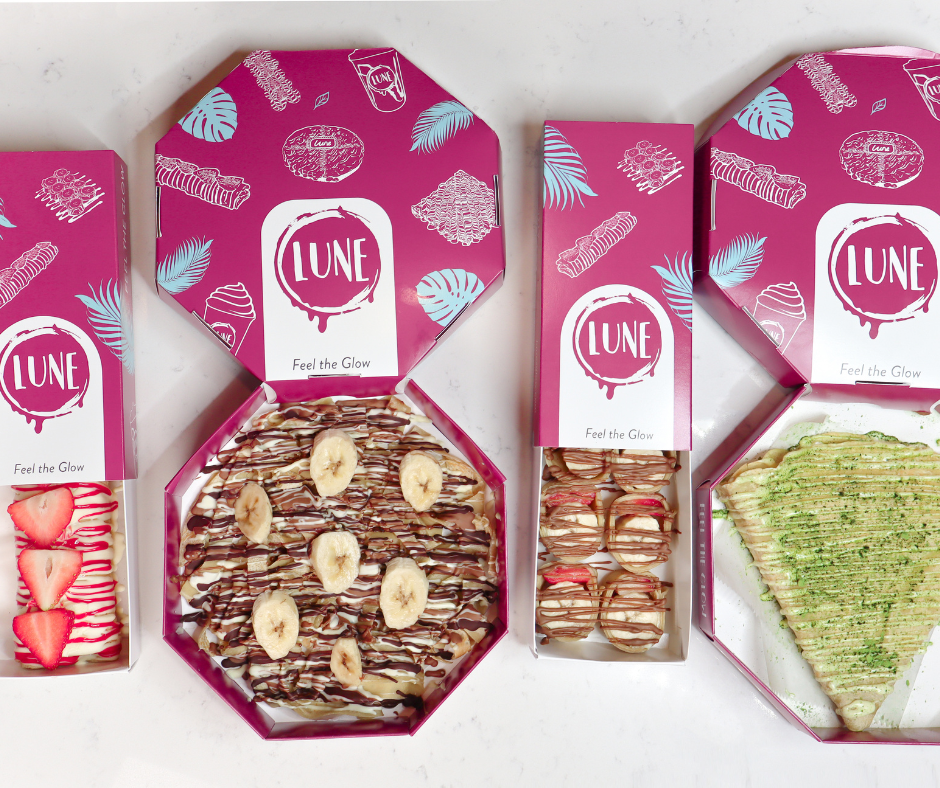
Under Hashem’s careful supervision, cafegoers can enjoy signature espresso drinks, colorful mint-lime coolers (aka Lune Glows), Instagram-worthy toasts, delicate crepes and sweet treats made for sharing, all served up with a vibe that feels part cozy study hall, part late-night hangout.
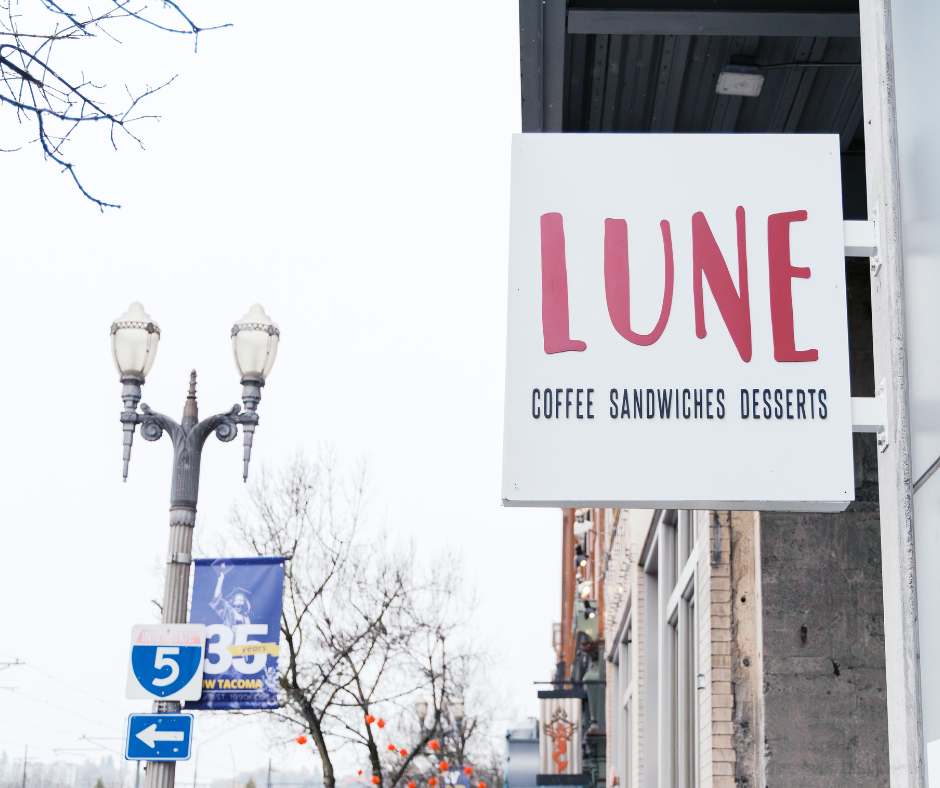
After graduating in just three years, Hashem brought his late-night, cozy cafe concept to market. Several years and five locations later, he signed the lease for his sixth location of Lune Cafe on Pacific Avenue — the heart of Tacoma’s historic downtown core — just steps from where the dream first took shape.
When it comes to the college experience, Hashem wasn’t on the hunt for Tacoma’s best bar-hopping: “I don’t even drink,” he says. “Still, I wanted a place with good vibes, warm and fun — somewhere you could bring your family — but above all, I wanted a place that was open late.”
Through Hashem’s Arabic upbringing, late-night hospitality (warm drinks, shared desserts and long conversations) was a cultural norm he missed deeply while in college. For years, Hashem and his friends tried to find a local spot that could fill the void, but they never did. That gap in Tacoma’s late-night scene stuck with him, so he decided to build it.
Initially, Hashem’s parents failed to see the vision. In fact, they very politely told him he was out of his mind.
“No one’s gonna want coffee late at night,” they’d say. “There’s a reason those places close by five.”
Still, Hashem couldn’t shake the idea.
He pressed forward, thinking back to the fundamentals of business school: identify the audience, define your purpose and notice the opportunities everyone else overlooks.
There, in that fateful corner booth of a cafe destined to become his, Hashem sketched out a business plan. He remembers pulling out notes from his first marketing course and suddenly seeing the potential — how each piece of the puzzle, from the 5 P’s to consumer buying behavior, might help him realize his dream.
“It just felt right to set up shop on Pacific Ave,” he says. “This is the place where it all began — where I learned how fun it can be to build a business.”
But it wasn’t always.
“My first year in business was terrible,” Hashem says, without a hint of hesitation. The year was 2022, and Hashem had just opened the very first location of Lune Cafe in Seattle’s Pioneer Square neighborhood.
Turns out, the experience would nearly sink him.
Hashem talks about that year with the kind of humility you only earn by going through it:
“I did so many things wrong. I didn’t listen to anyone!”
Crunch time arrived for Hashem when he sat down to lay out everything that wasn’t working. The results were eye-opening — pages upon pages of rock-solid reasoning to can the Lune Cafe concept and never look back. At that moment, with his family behind him, Hashem knew what needed to happen:
“We either shut it down, or we fix everything.”
And thank goodness they chose the second path.
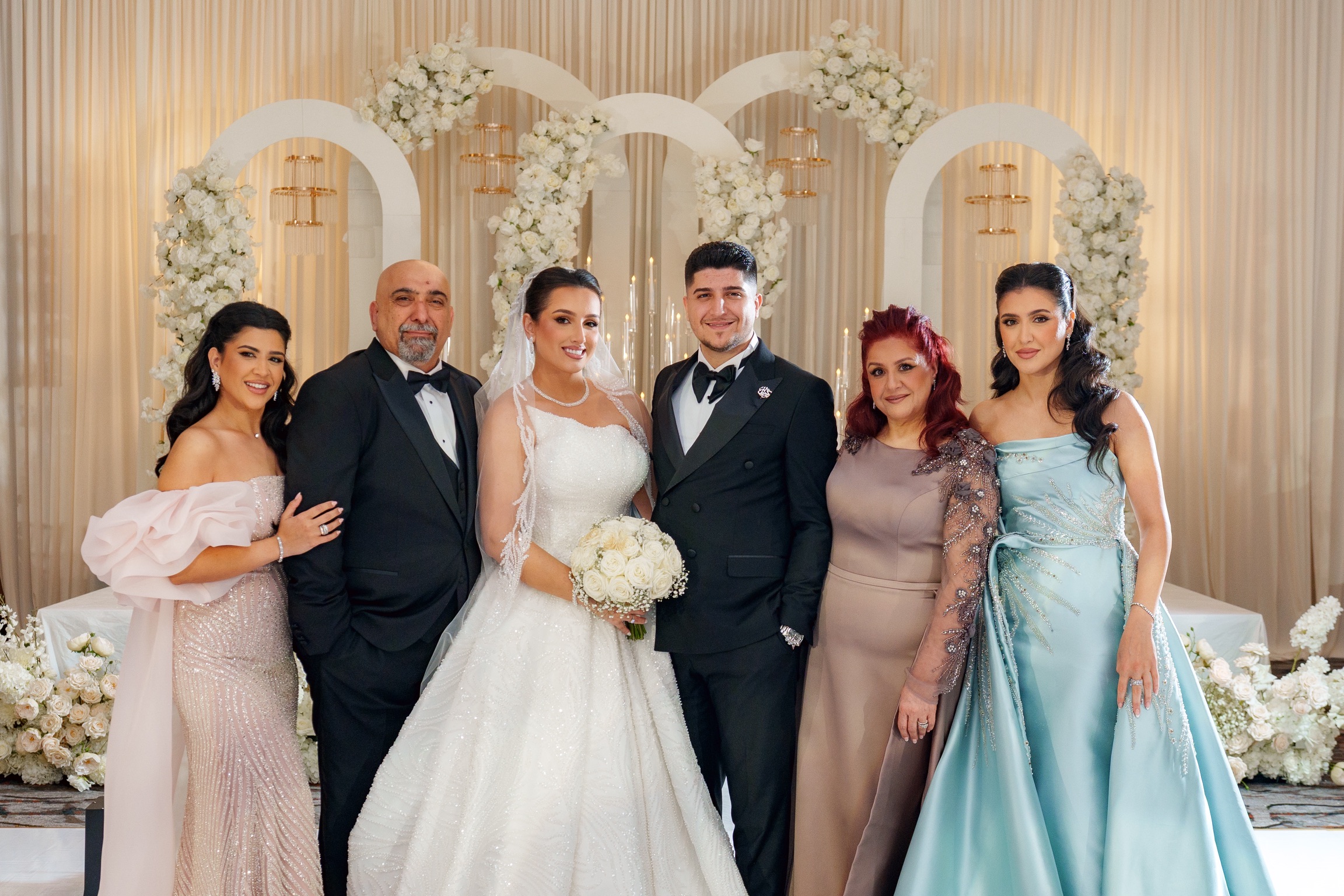
Together with his family, Hashem rewired the entire business, overhauling the cafe concept from top to bottom: operations, marketing, the menu, branding and beyond. At the end of the day, only the name and logo for Lune Cafe made the cut.
“Family is what brought me here,” Hashem says. “Once they got involved, everything changed for the better.”
The second location of Lune Cafe, a drive-through, opened shortly after the “tear it down and start again” era. This time, they enlisted the social media savvy Hashem’s wife, Rusul (Ru). At the start, she was shooting videos on her phone — simple, straightforward clips of their decadent desserts and inventive espresso drinks with over-the-top textures and bright colors.
“Ru immediately knew what our business needed to share on social media in order to resonate with people,” Hashem recalls of those early days. And it’s a good thing, too — Ru’s carefully curated vertical videos went viral on TikTok, and new business came like a tidal wave as lines for Lune Cafe formed around the block. Suddenly, this cozy cafe had risen above sweet treat status to an experience everyone wanted to show off.
“We’ve always cared about visuals, the Instagram-worthy stuff,” Hashem says. “But user-generated content? That’s the strongest kind of marketing.”
That viral spark carried Hashem and his family to their third location, where more than 2,000 people showed up on opening day. Some even set up camp on the sidewalk outside to be the first to get in. Even now, Hashem laughs in disbelief: “I was terrified. I didn’t want anyone to be disappointed.”
Then came Lakewood.
Then Lumen Field.
Then a corporate headquarters and warehouse in Seattle.
Cut to today, and there’s a board of directors, a supply chain team, a chief of operations, a chief marketing officer (hi, Ru) and a founder who’s trying to grow deliberately, not chaotically.
“It’s going really well,” Hashem reflects, sounding a little surprised — like he’s still catching his breath. “We just want to do things the right way. More intentional. More professional.”
But nothing hit quite like the Tacoma location.
He remembers walking into the vacant space for the first time. His sister Zahraa — also a UW Tacoma alum — came with him. They both froze.
“It was the exact place where I used to sit,” Hashem says. “I was like… you’re lying. This can’t be real.”
He signed the lease almost immediately. Not for the market data (though that didn’t hurt), but because it felt like the right place to bring the story full circle.
“This is the place that taught us everything,” says Hashem. “Maybe some student will sit here and think up their own idea, just like I did.”
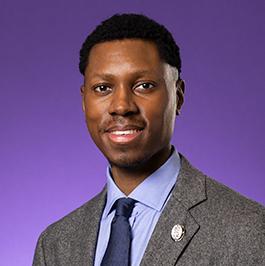
When you ask about his newest tenants on Pac Ave, Ben Mauk, UW Tacoma’s Director of Real Estate and Development, would tell you it’s a match made in heaven:
“There’s a specialness to it — having Tacoma Huskies transform into business owners who want to bring those offerings back to campus,” Mauk reflects. “We’re building a campus community here, and it was clear that Karrar wanted to do big things in Tacoma… I think about the 30,000 students who’ve gone through the university and how they continually resurface in new and meaningful ways.”
If you put it to Hashem in casual conversation, he’d attribute his business success to strategy, social media, stellar product and post-pandemic opportunities in the market. But if you ask what really changed everything, he circles back to one thing every time: family.
“Their support — moral support, material support, all of it — made the difference,” says Hashem. “You come up with better ideas when you’re surrounded by people who care.”
And maybe that’s why the Tacoma location feels special. Because it’s where his own story started, long before the viral videos, warehouses and supply chains.
Because it’s where a student once sat, looked around, and thought, “Someone should build something here.” And then they actually did.