Puyallup Tribe Teaches Tacoma Huskies the Art of a Warm Welcome
When the FIFA World Cup arrives in Seattle this month, the Pacific Northwest will become part of the biggest sporting event on the planet.
Seattle will host six World Cup matches, placing our region at the center of an international soccer celebration that spans the United States, Canada and Mexico.
Fans from every corner of the globe will make their way to Washington State as international media outlets broadcast stories from Lumen Field to billions of viewers.
In other words, the eyes of the world will be here, and the University of Washington Tacoma’s official tribal sponsor, the Puyallup Tribe of Indians, will help lead that welcome from the South Sound. For the first time in FIFA men’s World Cup history, an Indigenous nation will formally partner with a host city, and Tacoma Huskies are finding meaningful ways to contribute.
The Puyallup Tribe of Indians serves as Seattle's Official Legacy Supporter for the FIFA World Cup, a historic designation that places the tribe at the heart of local World Cup activities and cultural programming. The partnership marks a significant milestone for Indigenous representation on the global stage.
“We are still here”
For the Puyallup Tribe, whose people have lived along the shores and islands of South Puget Sound since time immemorial, the World Cup presents an opportunity to share their story with the world in their own voice.
"It is important that we are here, Indigenous people," Puyallup Tribal Council Chairman Bill Sterud said. "Whether it's in Puyallup, throughout the state, throughout the country or through Central and South America, we are here, and we have a culture and it's important. We take care of our people, and we'd like to show that to the world."
That message carries special meaning at UW Tacoma.
The university’s campus sits on the ancestral homelands of the Puyallup people and has built a deep and enduring relationship with the tribe. Over the years, that relationship has grown through educational partnerships, cultural initiatives, community engagement and support for Indigenous scholarship and student success.
The tribe's investment in the university has helped expand Native American studies, strengthen Indigenous-centered learning, and create opportunities for students to engage with Indigenous ways of knowing. A landmark gift from the tribe helped support those efforts and contributed to the growth of programs, resources and faculty positions that continue to shape the university today.
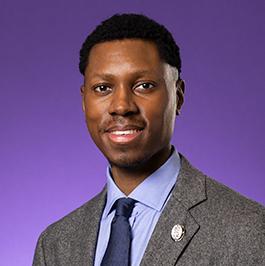
One of those faculty members is Danica Miller, associate professor of culture, arts and communications. A citizen of the Puyallup Tribe, Miller's teaching, scholarship and community work focus on Indigenous storytelling and sovereignty. Her work has helped strengthen connections between campus and community while creating opportunities for students to learn through cultural practice and engagement.
As the World Cup approaches, those connections are becoming increasingly visible.
For Washington, for the world
The University of Washington is playing a significant role in the region's World Cup preparations.
As an official Host City Supporter, the Husky Soccer Stadium on campus in Seattle will serve as a FIFA training site, welcoming national teams as they prepare for matches at Lumen Field.
Across the UW community, students, faculty and staff are exploring the ways a global event like the World Cup can create cultural touchpoints and lasting benefits for local communities. The work spans athletics, education, culture, economic development and community partnerships, from curated readings to the convergence of business and human rights.
At UW Tacoma, that effort takes on a distinctly local character through the university's longstanding relationship with the Puyallup Tribe.
Gifts with a story
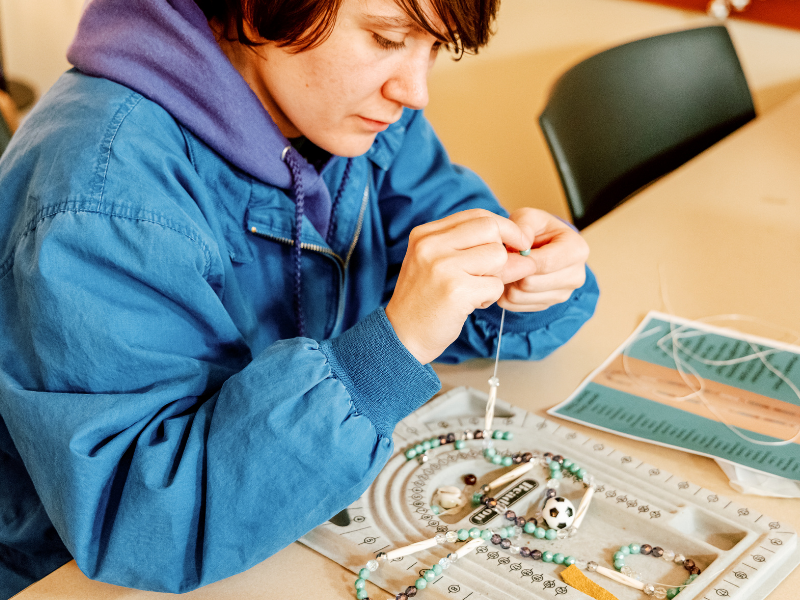
On Monday afternoons during spring quarter, students gathered in the Office of Indigenous Engagement syayəʔadiʔ (Family Room) to create beaded gifts that will be shared with visitors during World Cup celebrations hosted by the tribe.
The beading sessions, organized by Miller, are creative and social. They bring together students from across campus, including members of Cedar Circle, UW Tacoma's Indigenous student organization. Under the soft, warm lighting of the Family Room, students share stories while meditative beadwork happens in the background.
"It's been wonderful to see our students engage with all the cultural offerings the Puyallup Tribe has to offer," Miller said.
Together, these Tacoma Huskies craft handmade tokens for new friends to take home long after the final whistle sounds.
Their work echoes a much larger effort taking place throughout the Puyallup community.
The tribe has spent years preparing for the arrival of international guests. On Puyallup land, artisans have crafted 40 custom wooden paddles that will be presented to foreign delegates attending World Cup events. According to Coast Salish tradition, a carver places positive thoughts and a part of their spirit into each gift, creating a meaningful connection between giver and recipient. It’s a token that carries deep cultural significance — a time-honored expression of connection, respect and welcome.
The student-created beadwork follows that same spirit.
A welcome rooted in identity
In Lushootseed, the Puyallup people are known as spuyaləpabš, meaning "generous and welcoming behavior to all people."
That same spirit of welcome will guide many of the tribe's World Cup celebrations.
On Friday, June 12, the Puyallup people will host a public opening ceremony on tribal land in Tacoma, along with a community parade, a traditional waterfront welcoming ceremony and a fireworks show to end the night.
Additional events throughout the World Cup period include a powwow, bone game tournament and other cultural gatherings designed to welcome visitors while celebrating Indigenous traditions and community. UW Tacoma will host a table during College Day at the Puyallup Tribal Administration and participate in activities connected to the powwow and bone game tournament.
These events create opportunities for students to engage directly with community members, support Tribal initiatives and share information about educational pathways with future students and families.
Building a legacy beyond the final whistle
World Cups create memories that span generations. Host cities remember the matches, the crowds and the celebrations. Communities remember the connections that were made along the way.
SeattleFWC26 leaders have repeatedly emphasized the importance of creating a lasting legacy from the tournament. The partnership with the Puyallup Tribe gives that vision a powerful foundation.
"This agreement puts our tribe on the global map," said Matt Wadhwani, Financial and Economic Development Officer for the Puyallup Tribe. "Not only does it give us the opportunity to show the world how far we've come, but it also brings invaluable exposure to our thriving businesses and enterprises we are developing for the future."
Visitors who arrive in Seattle for the World Cup will encounter a region shaped by Indigenous history, leadership and continued presence. They will experience communities that have stewarded these lands for generations and continue to shape their future.
At UW Tacoma, students are helping tell that story through relationships, cultural engagement and acts of welcome that begin long before the first match.
A beaded gift, a parade march, a conversation at a community event.
Together, those moments reflect something larger: a partnership between the Puyallup Tribe and UW Tacoma that continues to grow, and a shared commitment to putting our best foot forward as we welcome the world to the South Sound.
The FIFA World Cup 2026™ will take place from June 11 to July 19, 2026 as the largest World Cup in history, featuring 48 national teams competing in 104 matches across 16 host cities in Canada, Mexico and the United States. Seattle is one of 11 U.S. host cities and will present six matches at Lumen Field, including four group-stage matches and two knockout-round contests. The University of Washington’s Seattle campus will also serve as a FIFA training site for participating teams.
The UW Tacoma community acknowledges that we learn, teach, work and live on the ancestral land of the Coast Salish people. Our campus is situated on the traditional lands of the Puyallup Tribe of Indians. We recognize that this is a difficult and painful history, and we understand we must play an active role in remembering — not just what happened to Indigenous communities post settlement, but also the rich history that existed long before colonization. This land acknowledgment is one small act in an ongoing process of honoring the past while working together with local tribes to build a more inclusive and thoughtful community.