


Recent news
Main Content
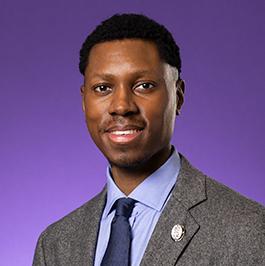
Community connections help UW Tacoma student grow as a civic leader
After years of moving around, Cameron Cyprain settled in the South Sound. Now, the relationships he built in Tacoma are helping shape his work to improve social services and his growth as a civic leader.
Main Content
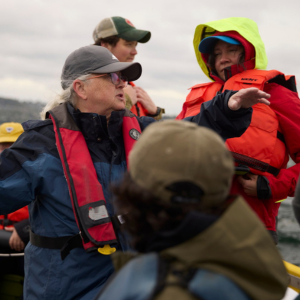
Curiosity in bloom
After three decades at UW Tacoma, Associate Professor Cheryl Greengrove has helped build science programs, mentor generations of students and study the changing waters of the Salish Sea. Now, an unusual bloom of harmful algae in Hood Canal has presented a new mystery: one that challenges what scientists thought they knew about a toxin-producing organism called Alexandrium. For Greengrove, the unanswered questions are exactly what make the work worthwhile.
Main Content
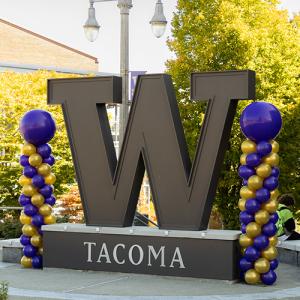
UW Tacoma recognized in several ‘Best Colleges’ lists for providing value, expanding opportunity
New rankings from U.S. News & World Report, Washington Monthly and College Raptor highlight UW Tacoma's success in delivering value, expanding access and helping graduates thrive.