


Main Content
Dr. David Reyes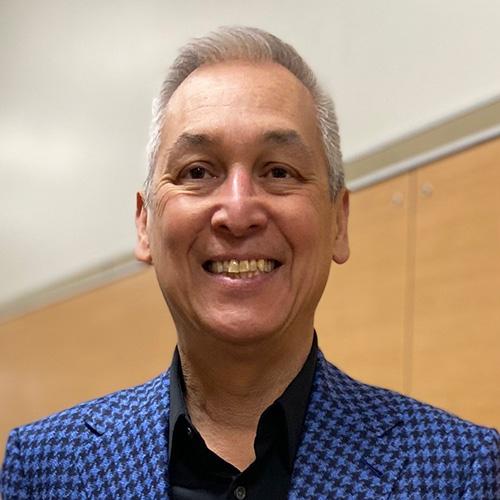
Message from the Dean
Greetings UW Tacoma School of Nursing & Healthcare Leadership Community –
It’s hard to believe that the winter academic quarter is over and Spring is already upon us! Since my last message, there has been a great deal of activity and some transitions happening within the school. In early December 2025, we bid a fond farewell to Jessica Immerman as the school’s Academic Services Director. We appreciate all of Jessica’s contributions to SNHCL during her tenure in the school and across the UWT community. This April, we also say farewell to Sarah deBack, SNHCL’s Outreach & Recruitment Specialist as she pursues new opportunities out of the area. We are grateful for all of Sarah’s efforts to represent our school in the community to prospective students and strengthening our community partnerships. We wish both Jessica and Sarah much success in their future endeavors!
At the same time, we say good bye, I am pleased to welcome our new Academic Services Director Juliette Kern, MBA, who will join SNHCL effective April 6, 2026. You can read more about Juliette in the newsletter’s spotlight story. In addition to Juliette joining our team, this autumn we look forward to the school’s newest faculty member, Dr. Benjamin White who will be starting as a tenure-track Assistant Professor.
In March, we celebrated the achievements of SNHCL’s MN graduates that also featured 2026 MN Class Speaker Sadie Long-Garret and Faculty Speaker Dr. Carmen Lewis. The school’s academic planning continues as we prepare for the implementation of a new BA in Healthcare Administration degree program in fall 2027. Many thanks to the Healthcare Leadership faculty and staff who have been working steadfastly to create this new pathway. Work toward a prelicensure BSN program continues with the completion of a common curriculum across the Tri-campus School of Nursing that will position SNHCL for offering this degree along side our current RN-BSN program. Aligned with our academic planning and UWT’s campus master plan, the feasibility of a new Interdisciplinary Health Sciences building has also started.
Looking ahead, SNHCL continues to engage in reciprocal and meaningful partnerships with the community both locally and globally. I am pleased to share that SNHCL and the Tri-campus School of Nursing have signed onto a partnership agreement with National Yang Ming Chao Tung University in Taiwan. We look forward to developing and fostering collaborative interests between our respective faculty and disciplines. Closer to home and in the near future, I’m pleased to announce that our school will host its inaugural Health Symposium on Wednesday, May 13th 2-7pm. The theme for this event is Transforming Healthcare: Agency, Advocacy & Equity, and will feature a speaker panel of healthcare and policy leaders from the region. Look for registration information soon.
In closing, I want to thank all you who support us here in the School of Nursing & Healthcare Leadership.
Wishing You Good Health,

David Reyes, DNP, MN/MPH, RN, PHNA-BC
Dean - School of Nursing & Healthcare Leadership
Dr. Jamilia Sherls
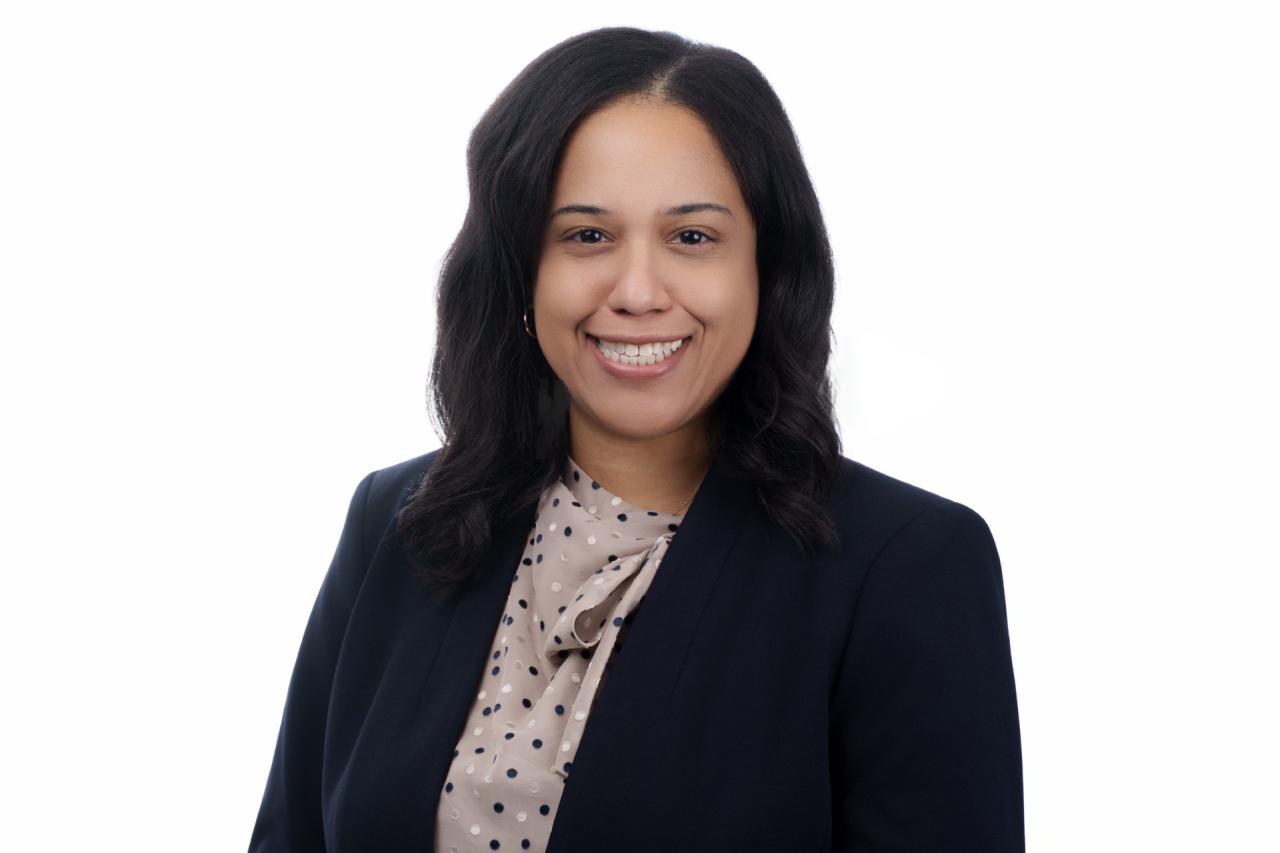
Dr. Jamilia Sherls: Advancing Public Health Through Equity and Immunization
Dr. Jamilia Sherls serves as Director of the Office of Immunization at the Washington State Department of Health, where she leads statewide efforts to ensure access to vaccines for children and adults. Her work centers on maintaining the state’s universal childhood vaccine program and overseeing the adult vaccine program for uninsured residents. She also manages the state’s Immunization Information System, a lifelong registry that tracks vaccinations across Washington. Dr. Sherls works closely with local health jurisdictions, Tribes, providers, and community organizations to strengthen vaccine access and education. “Our focus is on ensuring that everyone, regardless of background or income, has access to safe and effective vaccines,” she says.
Her path to public health began at the University of Puget Sound, where she planned to become a pediatrician. A summer program at the University of Washington School of Medicine introduced her to public health and shifted her career goals. “I didn’t realize there was an entire field focused on prevention and community health,” she recalls. After earning her Master of Public Health from Drexel University, she returned to Washington to work in public health and later completed her Bachelor of Science in Nursing at Thomas Jefferson University. She went on to serve in clinical and leadership roles at MultiCare Health System, where she became the first Director of Health Equity.
Today, Dr. Sherls combines her nursing background with her public health expertise to improve vaccine equity statewide. The Department of Health developed innovative programs like “Care-a-van”, a mobile vaccination service that brought vaccines directly to hard-to-reach communities. Her team continues to focus on vaccine confidence and education, working with providers to address misinformation and support meaningful conversations with patients. “We want to give providers the tools to build trust and help people make informed decisions about their health,” she explains.
As a clinical faculty member at the UW Tacoma School of Nursing and Healthcare Leadership, Dr. Sherls mentors students who are preparing to enter public health and leadership roles. She encourages them to stay strong, communicate clearly, and advocate for policies grounded in science and justice. “Public health can be challenging, but it’s also incredibly rewarding,” she says. “You can lead from wherever you are, as long as you stay focused on equity and the health of your community.”
To learn more about Dr. Sherls and her journey in public health leadership, listen to her episode on the SNHCL Meet & Greet podcast: Leading Immunization Efforts in Washington State
Rafael Saucedo
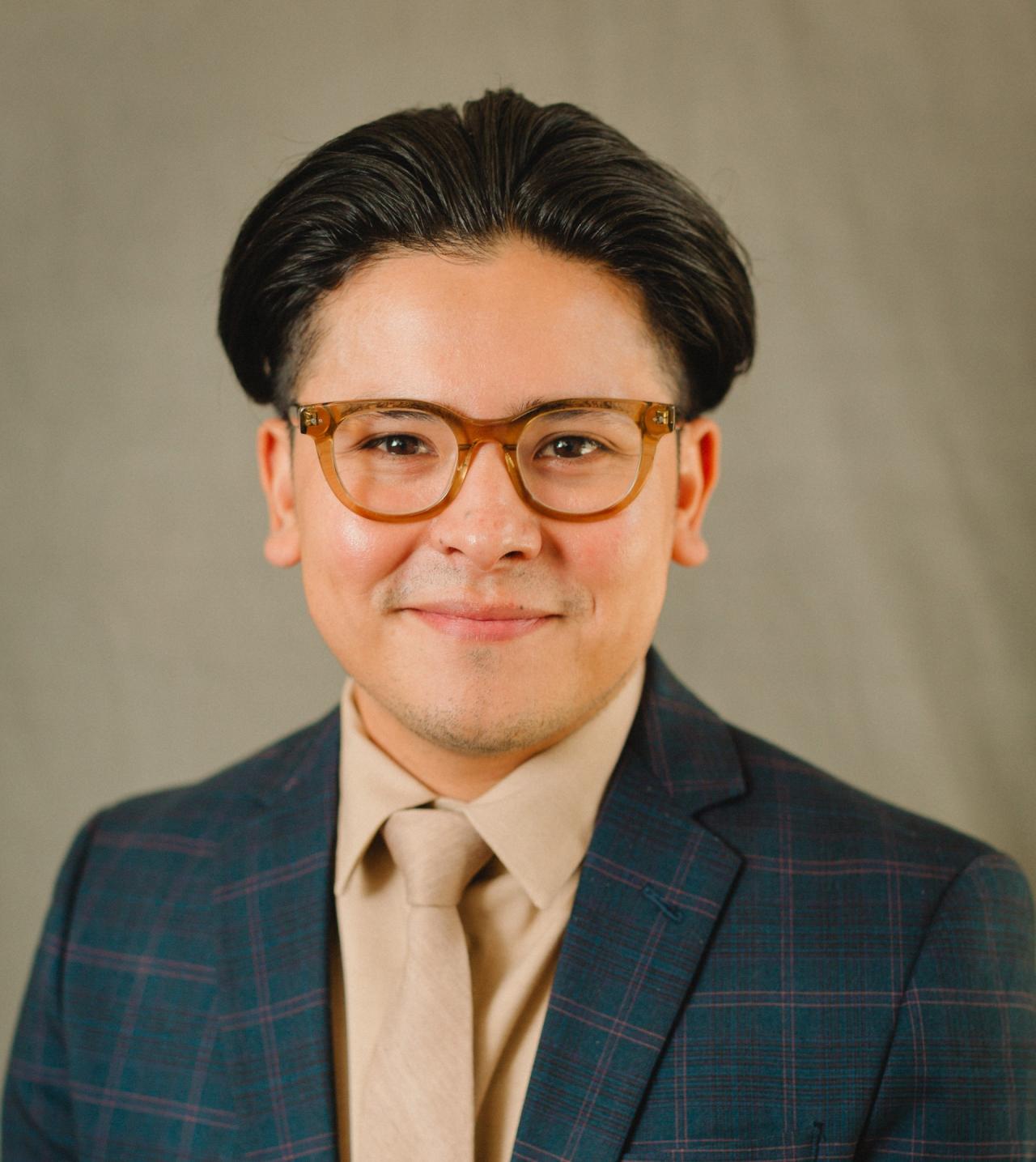
Rafael Saucedo’s Journey in Leadership, Advocacy, and Community Impact
When Rafael Saucedo joined us for the SNHCL Meet and Greet Podcast, he reflected on a journey defined by service, advocacy, and an unwavering commitment to community. A two-time UW Tacoma graduate, Rafael’s story is a powerful example of how healthcare leadership can open doors far beyond traditional clinical spaces.
Rafael earned his Bachelor of Arts in Healthcare Leadership in 2017 before continuing his education and completing his Master’s in Community Planning in 2019. While many students begin their healthcare journey thinking only of bedside or clinical careers, Rafael discovered during his time at UW Tacoma that his passion for making an impact would take shape in a different way.
Throughout his undergraduate experience, Rafael immersed himself in campus leadership. He served in multiple student leadership roles and became heavily involved in PATH (Partners in Action Transforming Healthcare), where he helped foster relationships with local healthcare organizations and gained exposure to the many pathways available within healthcare leadership. Through these experiences, he realized that his strengths were rooted in relationship-building and creating positive change within communities.
That passion has guided Rafael through a diverse and dynamic career. Since graduating, he has worked across healthcare, nonprofit fundraising, environmental stewardship, and financial wellness, with each role centered on building stronger communities and creating meaningful impact. Today, Rafael serves as a Philanthropy Program Manager at BECU, where he leads philanthropic initiatives focused on financial wellness, community partnerships, and giving back to underserved populations.
Much of Rafael’s drive comes from his own lived experiences. Raised in a close-knit Latine family, he shared how witnessing the sacrifices his parents made and seeing the barriers many communities face in accessing healthcare and resources inspired his lifelong commitment to advocacy and equity. Those personal experiences continue to motivate the work he does today, both professionally and through his many volunteer leadership roles supporting youth development, education, and underserved communities across the region.
One of the most impactful moments from Rafael’s conversation came when he offered advice to current and future students navigating their own journeys:
“Don’t be afraid to take up space and be unapologetic about it."
Rafael spoke candidly about overcoming imposter syndrome and learning to trust his own voice as a leader, something many students and professionals can relate to. He encouraged emerging leaders to stay open to opportunities, embrace uncertainty, and understand that career paths do not need to be perfectly linear to lead somewhere meaningful.
His story serves as a reminder that leadership in healthcare extends well beyond hospitals and clinics. Whether through philanthropy, outreach, advocacy, or policy, there are countless ways to make a difference, and Rafael’s journey is proof that following your passions can lead to incredible impact.
Listen to Rafael's Meet and Greet Podcast episode: Rafael Saucedo’s Journey in Leadership, Advocacy, and Community Impact
Dr. Jingyi Li
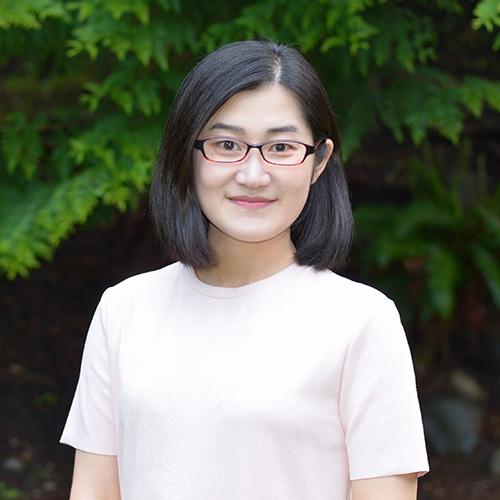
Dr. Jingyi Li on Advancing Health Equity in Dementia Care Through Research, Compassion, and Cultural Understanding
Dr. Jingyi Li, assistant professor in the School of Nursing and Healthcare Leadership, has dedicated her career to advancing health equity in dementia care. With more than a decade of clinical experience in long-term care and assisted living, she saw firsthand the challenges families face, especially those from immigrant and minority communities. Language barriers, stigma, and a lack of culturally tailored care often keep families from seeking support. Today, Dr. Li’s research focuses on adapting evidence-based interventions, such as Alzheimer’s Cafés and behavioral management programs, to better serve diverse populations.
Her passion for this work stems from both personal experience and professional insight. Her passion for this work is rooted in a powerful story from her nursing career. While working in an assisted living facility, she cared for a Chinese-American resident who dutifully attended activities but never seemed engaged. Crossword puzzles and games designed around Western culture didn’t resonate with her, especially as she was living with dementia. Only when offered the chance to sing karaoke in Chinese did her entire demeanor change, her face lit up with joy, and she participated with energy and confidence. For Dr. Li, that moment underscored the importance of culturally meaningful care. “It made me think about whether the services and activities we offer really meet the needs of older adults,” she recalls. “True quality of life comes when people feel seen and understood.”
In her teaching, Dr. Li brings these lessons into the classroom. She integrates community-based projects into her courses, giving students hands-on experience with dementia awareness events, brain wellness programs, and caregiver interviews. These experiences, she explains, not only deepen students’ understanding but also help them see the human side of dementia care. Many have gone on to become Dementia Friends champions or to pursue their own projects supporting families. By hearing firsthand stories from families, students gain a new perspective on caregiving, one that goes beyond clinical checklists. “When you’re a nurse, you see patients as patients,” she explains. “But when you talk to family members who provide 24/7 care, you understand the emotional and physical burden in a very different way.”
For Dr. Li, leadership in healthcare means more than publishing research, it’s about empowering others. She sees her role as helping students, caregivers, and community partners gain the tools and confidence to lead. “It’s not just about us as researchers,” she says. “It’s about ensuring the work continues to grow beyond a single project or grant cycle.” Her approach reflects the mission of UW Tacoma, emphasizing equity, social justice, and community engagement.
Looking to the future, Dr. Li is excited about how technology might transform dementia care, from improving screening to supporting families at home. But she also believes the heart of the work will always be listening and respect. “Every person living with dementia has a story,” she says. “Our job is to see them as more than a diagnosis and to create care that honors who they are.”
Listen to Jingyi's Meet and Greet Podcast episode: Advancing Health Equity in Dementia Care Through Research, Compassion, and Cultural Understanding
Join the SNHCL Newsletter Mailing List
The School of Nursing and Healthcare Leadership sends out a quarterly newsletter that includes updates of alumni, faculty, and the SNHCL community. If you would like to receive the newsletter, complete this form to be added to the mailing list.
Do you want to get updates on the SNHCL community?
Follow us on social media!