


Main Content
Congratulations to the following sponsored research award recipients at UW Tacoma. (Awards received between May 2023- September 2023)
Joel Baker, SET and Center for Urban Waters
Collaborative Leadership Project
WA State Dept of Fish & Wildlife
Project support funding to develop a history/video regarding multiparty collaborative governance on natural resource issues in Washington State.
Edward Kolodziej, SAM-SIAS and Center for Urban Waters
RMP Projects including Wet Season S&T, CECs Groundwork, and Synthesis Manuscript
San Francisco Estuary Institute (SFEI)
The Regional Monitoring Project (RMP) was created by the San Francisco Regional Water Quality Control Board to ensure water quality management decisions and investments are guided by sound science. This project includes sampling for the San Francisco Bay Wet Season Status and Trends (S&T) project at selected stations within the Bay. Additionally, blank sample collection for the Contaminants of Emerging Concern (CECs) Groundwork project will be collected and additional testing will be conducted of the sample containers for contaminant adsorption potential. Lastly, assistance in writing a manuscript that synthesizes CECs data from a four-year stormwater monitoring effort will be provided.
Edward Kolodziej, SAM-SIAS and Center for Urban Waters
Next Generation Urban Greening Stormwater Monitoring
San Francisco Estuary Institute (SFEI)
During water years (WYs) 2023 and 2024, SFEI will be sampling the inlets and outlets of four bioretention units in the city of San Francisco. A composite sample, collected over the course of an entire storm event, will be collected, including an inlet and outlet sample for each site during each storm. Each of the four sites will be sampled during four storm events and a suite of stormwater Contaminants of Emerging Concern (CECs) will be measured for each sample.
Edward Kolodziej, SAM-SIAS and Center for Urban Waters
Is the Tire Chemical 6PPDq Killing Minnesota’s Fish?
University of St. Thomas
To complete this project, the Center for Urban Waters will help to evaluating the risks of 6PPDq and other roadway chemicals to aquatic organisms by measuring their concentrations in provided samples. While a basic LC/MS/MS analytical method exists at the U. of Washington, it needs optimization/tuning to be sufficiently sensitive and accurate in Minnesota waters, including for sample types like snowmelt and nutrient-rich waters. The Center for Urban Waters will optimize their existing analytical methods for Minnesota samples, especially sample types like snowmelt and roadway runoff that might be impacted by winter road salt use. CUW also will optimize sample cleanup and C-18 or HLB solid-phase extraction procedures to be able to measure concentrations of 6PPDQ down to 10 ng/L, while minimizing interference from background organic matter and salts by selective elution and extract cleanup steps.
Edward Kolodziej, SAM-SIAS and Center for Urban Waters
Impacts of Spring Storms on Juvenile Salmon Health in an Urbanized Watershed
Washington State University
To complete this project, the Center for Urban Waters will help to evaluate the risks of 6PPDQ and other roadway chemicals to aquatic organisms by measuring their concentrations in samples of Miller Creek and related toxicology studies.
Edward Kolodziej, SAM-SAIS and Center for Urban Waters
Center for Urban Waters: Protecting Salmon From Toxic Chemicals
National Oceanic and Atmospheric Administration (NOAA)
By evaluating the impact of roadway runoff and associated tire rubber chemicals on water quality, we can help to better understand the presence and management of these roadway-derived organic contaminants on salmon health. The proposed project addresses the following important data gaps or needs: 1) acquisition of a new LC/MS/MS instrument to provide accurate and sensitive detection and quantification of tire rubber chemicals, including 6PPD-quinone, in roadway runoff and salmon bearing receiving waters; 2) method development and detection of PPD and tire rubber related organic contaminants in roadway runoff and receiving waters; and 3) understanding the occurrence of these chemicals in existing samples, and samples collected as part of ongoing regional studies on roadway-impacted water quality.
Edward Kolodziej, SAM-SAIS and Center for Urban Waters
Sampling, Occurrence, and Biological Risks of 6PPDQ and Related Chemicals
WA State Dept Ecology
This work will help to define how tire rubber chemicals are degrading water quality and contributing toxicity in small, tribally prioritized watersheds across the South Sound. Relative to the greater Seattle area, very little monitoring of roadway runoff, 6PPDQ, and related CECs has occurred in the South Sound although tribal partners have consistently observed stormwater-linked mortality events in coho salmon in several of the watersheds we are proposing to study. It will also help to define how roads, tires, and humans are polluting ecologically and culturally sensitive watersheds with 6PPDQ and similar previously unprioritized contaminants. By integrating chemical analysis and toxicology data, this study will help protect ecosystems by allowing for data driven management of legacy tires, stormwater and roadway runoff events.
Angela Kitali, SET
Rural Equitable and Accessible Transportation (REAT) Center
Florida A & M University
The REAT Center is a consortium formed by six institutions – Florida A&M University as a lead institution, in cooperation with Tallahassee Community College, Florida State University, University of Washington (Tacoma), Cleveland State University, and Stone Brook University – to address multimodal transportation challenges through research with the goal of improving the quality of life in rural America. The vision of the proposed Center is to be the default go-to resource for the researchers and practitioners to look for implementable solutions related to transportation equity and accessibility, particularly in rural areas. The Center’s mission is to create a track record of transformative projects that push the research frontier, inform policy-making efforts, and develop education and outreach programs that help maintain the Center’s momentum to translate the generated knowledge into practice. In order to fulfill the Center’s mission, scientific research efforts are geared toward consolidating our understanding of the knowledge gaps towards the USDOT Strategic Plan goals of Equity, Safety, Economic Strength and Global Competitiveness and Transformation.
Angela Kitali, SET
Increasing Equity in Traffic Safety
AAA Foundation for Traffic Safety
Despite ongoing efforts by various agencies to improve traffic safety, disparities persist at various levels, disproportionately affecting certain populations based on income, race/ethnicity, education attainment, disability status, and employment, among other factors. The proposed research aims to investigate the critical issue in transportation related to traffic safety inequities and identify evidence-based recommendations to promote equity at both individual and neighborhood levels. This approach recognizes that traffic safety is influenced by individual behaviors and broader social and environmental factors. To achieve the study objectives, the research team will use data primarily from Texas, Washington, and Ohio and employ various analytical methods, including exploratory, spatial, temporal, regression, Bayesian Network, and a Safe System Approach (SSA).
The exploratory analysis will examine the relationship between demographic, socioeconomic, built environment, mobility, accessibility factors, and traffic safety outcomes, such as crash injuries and fatalities. The spatial and temporal analysis will explore the spatial and temporal patterns of traffic safety inequities, providing insights into the areas and times that require intervention. The regression analysis will identify factors significantly associated with traffic safety outcomes, such as road design, speed limits, and enforcement policies. On the other hand, the Bayesian Network analysis will model the complex inter-relationships between various factors and traffic safety outcomes, providing a holistic view of the factors contributing to traffic safety inequities. Finally, the SSA will provide a framework for understanding the systemic factors contributing to traffic safety inequities and inform the development of evidence-based interventions to promote more equitable access to road safety resources. Through these rigorous analytical methods, the study will provide a better understanding of the underlying factors contributing to traffic safety inequities and inform the evidence-based interventions that promote more equitable access to road safety resources and provide practical recommendations to improve equity traffic safety or decrease differences where they exist.
Ka Yee Yeung, SET
Rapid Acute Leukemia Genomic Profiling with CRISPR enrichment and Real-time long-read sequencing for Clinical Use
Fred Hutchinson Cancer Center
Acute leukemia (AL), a cancer of the blood, remains one of the cancers with high mortality despite a plethora of available treatments. Variable prognosis, treatment response and survival are largely based on the distinct cytogenetic and molecular aberrations that characterize AL subtypes. Fast and cost-effective methods of detecting AL fusions and mutations are needed to improve clinical outcomes for patients. Single molecule multiplexed long-read sequencing assay targeting relevant genes in myeloid malignancies can be useful in the clinical setting. In preliminary work, we successfully developed an assay for use in AML with a concise list of target genes designed to immediately impact clinical therapy management. We have also simulated bioinformatic workflows to allow same day reporting. We hypothesize that by optimizing our multiplexed chemistry panel for same -day workflows and streamlining the interactive bioinformatics software tools for both fusion and variant calling, we can utilize our group’s ability to allow for simultaneous data streaming to the cloudding during sequencing, which we have shown to reduce turnaround time significantly. New advances in nanopore based sequencers encompass lower cost when implemented on the nanopore platform and potentially provide additional relevant physiopathologic information. Consequently, that may lead to this technology could replacing some of the current longer and more costly standard- of- care tests.
Maureen Kennedy, SAM-SIAS
Mapping and quantifying post-wildfire forest conditions
Forest Service
This Joint Venture Agreement will support the productive collaboration between the Division of Science and Mathematics (SAM) in the School of Interdisciplinary Arts and Science (SIAS) at the University of Washington (Tacoma) and the Fire and Environmental Applications (FERA) team in the Pacific Wildland Fire Sciences Laboratory, PNW Station. Specifically, this agreement will enable work to be completed on the Joint Fire Sciences Program (JFSP) project 22-2-02-30 (Collaborative development of ecosystem mapping products for fire and fuels management: Mapping and quantifying post-wildfire forest conditions). For SIAS this research collaboration will expand the scope of the research conducted on campus to include questions of resource management in forests and watersheds in addition to other questions of restoration and conservation. By nurturing a relationship with the USFS, this agreement will provide opportunity for undergraduate research in an explicitly applied context, as well as provide undergraduates an opportunity to develop relationships with a federal government agency, exposing them to the practice of science to inform management in a government agency. For FERA the proposed research will enable quantitatively rigorous progress in existing areas of research including characterizing fuels in wildlands and questions revolving around post-fire management.
Ankur Teredesai, SET
Explainable Graph Neural Networks (GNN) For Heterogenous Graph
DSO National Laboratories
The project team will develop and test an explainable open-source Graph Neural Networks (GNN) techniques for reasoning on real-world heterogenous graph. UW will develop new explainable GNN techniques and evaluating it on open datasets. UW will also support DSO National Laboratories’ technical staff in learning and applying the developed technique.
Wei Cheng, SET
PFI-RP: Smart City Curbside Parking Management
National Science Foundation (NSF)
This PFI-RP project proposes a smart curbside parking management system for cities. To enhance curbside parking management, cities are digitizing their curbside parking maps. However, because they are sending workers to physically gather the information from curbside parking sign sites, this approach is cumbersome. The team will research a number of machine learning-based algorithms to develop smart curbside parking management solutions in order to effectively create and maintain the curbside parking inventory database for cities and to give real-time curbside parking occupancy information. With the proposed solutions, cities just need to use dash cams that are readily available in their parking enforcement vehicles to gather the street videos. To create the curbside parking inventory database, the team will take the curbside signs and their locations from the street videos. The roadside cameras provided by the partner will help parking enforcement officials by providing real-time curbside parking occupancy data and the locations of the vehicles parked illegally or overtime. A curbside parking inventory and sign management system and a curbside parking occupancy and parking enforcement assist system are two potential outcomes of the proposed applied research.
Andy James, Center for Urban Waters
Modeling population-level impacts from Contaminants of Emerging Concern exposures to endangered salmonids
Puget Sound Partnership
The objective of this proposed project is to develop and apply a modeling framework that will evaluate the population-level impacts of Contaminants of Emerging Concern (CEC) exposures on Chinook salmon. To do so, we will utilize a population matrix model that provides a relational framework of exposures at different life stages to understand population outcomes and stable age distributions (Baldwin et al., 2009; Lundin et al., 2019; Spromberg and Meador, 2006). The model framework relies on quantitative and/or qualitative relationships between stressors and reproduction, growth, and survival to estimate change in population structures under different scenarios. In this work, the stressor of interest is exposure to CECs. We will also include legacy contaminants (such as PCBs and PBDEs) to understand relative importance of different chemical groups.

Vanessa de Veritch Woodside, SIAS
Exploring Tribal Sovereignty and the Environment through an Indigenous Lens
World Learning Inc.
The project will develop a faculty-led study abroad program for Indigenous students, as well as students interested in working with the Indigenous community. “Indigenous” as defined by this project includes students who identify as Native American, Alaska Native, Pacific Islander, First Nation and other self-identifying Indigenous peoples. The study abroad course focuses on tribal sovereignty and climate justice in the U.S. and Canada, which will address the IDEAS program’s “Climate, Energy and the Environment” foreign policy goal. A consortium of three accredited Washington State public institutions of higher education - the University of Washington Tacoma (UW Tacoma), Green River College (GRC), and Tacoma Community College (TCC) - will work with local tribal communities and organizations, such as the Washington Community and Technical American Indian Indigenous Studies Advisory Board (WCAAB), to develop program content that responds to the interests and needs of Indigenous-identifying students, while using Yosso’s Community Cultural Wealth Model as a guide for student recruitment.
Study abroad participants will attend pre-departure lectures and then travel to Abbotsford, British Columbia, for 12 days. While abroad, students will study similarities and differences between Washington State Coast Salish tribal communities and the Stó:lō people of British Columbia by engaging with faculty from the University of the Fraser Valley and local tribal knowledge holders. Students will explore Stó:lō environmental knowledge and land management practices and learn how this critical wisdom can be mutually shared with the scientific community and policy-makers. After students return and re-entry programming has been completed, we will share recruitment and program design materials with other community and tribal colleges that serve Indigenous students, as well as with partner institutions in the Washington Community College Consortium for Study Abroad (WCCCSA).
Vanessa de Veritch Woodside, SIAS
The UWT Careers and Community Initiative
National Endowment for the Humanities (NEH) Spotlight
The University of Washington Tacoma Careers and Community Initiative is intended to provide paid experiential learning opportunities in the humanities for our first generation and economically marginalized students. Rather than functioning as a culminating or capstone experience, this initiative is instead intended to introduce a cohort of ten sophomores and/or early junior transfer students to real-world applications of humanities through exciting and relevant paid internship opportunities and an accompanying for-credit course that will fulfill an Arts & Humanities graduation requirement and serve as an elective for various majors. Students will gain first-hand experience of the tangible value and possibilities of pursuing a career in the humanities in partnership with the Tacoma Public Library and community organizations that serve immigrants and refugees and their families. Moreover, the experience of gathering and archiving the histories and experiences of our students and local communities will intentionally facilitate students’ reflection on belonging and purpose, both of which will positively affect student persistence and success.
The Careers and Community Initiative is one key element of UWT’s broader The Pacific Northwest (Hi)Stories of Place and Displacement Project, a collaborative, multi-year venture led by Associate Professor de Veritch Woodside in partnership with six UWT School of Interdisciplinary Arts & Sciences faculty and community partners including Tacoma Public Library, Tacoma Community House, the Asia Pacific Cultural Center, Mi Centro, and the Washington State History Museum.
Emese Hadnagy, SET
Evaluation of Remote Sensing Based Monitoring of Lake Water Quality in WA State
State of Washington Water Research Center
Acquisition of satellite imagery for surface water quality monitoring has been widely used in coastal and ocean waters, and large lakes. Recent advances in the deployment of novel higher resolution satellites and the development of innovative and more accessible data, computing, and geospatial analysis tools provide an opportunity to test, deploy and operationalize new water quality monitoring approaches for smaller lakes. We propose the implementation, evaluation and operationalization of using remote sensing data from multispectral satellite imagery from two satellite constellations, Landsat-8 and Sentinel-2, to capture four water quality indicators: temperature, chlorophyll-a, turbidity, and phycocyanin in lakes of WA state using peer-reviewed methods. Parameterization of satellite data will be achieved using existing field monitoring data complemented with measurements obtained via targeted field sampling efforts. Time series analysis will help evaluate whether remotely sensed data captured actual changes in field water quality conditions. We will examine these relationships to develop regional scale models for various water quality parameters (such as cyanotoxin concentrations) and lakes with varying trophic levels. Results of this work will inform strategies to mitigate water quality issues and develop climate-change resilient plans for lake management and will be of interest to managers
of drinking water source protection areas and experts in charge of monitoring HABs for public health practice, among other applications. The work also has significant student training and workforce development potential as it will broaden the participation of underrepresented minorities in research and help train a climate-ready engineering and science workforce via intra and inter-institutional partnerships.

Yi Jenny Xiao, SBHS-SIAS
Incarceration History and Ethnic Bias in Hiring Perceptions: An Experimental Test of Intersectional Bias & Psychological Mechanisms
The Society for the Psychological Study of Social Issues
This study aims to understand psychological mechanisms of employment bias against formerly incarcerated and ethnically minoritized applicants, and the effects of these intersectional identities. Using a sample of 358 US hiring managers, the experiment manipulates these factors in job application materials and measures hireability and perceptions of applicants’ sociability/warmth, competence, and morality. A moderated mediation model tests effects of incarceration history and ethnicity on hireability judgments and whether these effects are mediated through perceptions of job applicants. Findings contribute to research and employment practices. The pre-registered protocol for this study has been published in a peer-reviewed journal.

Martine De Cock, SET
Machine Learning for Health Equity Lab at UW Tacoma
University of North Texas
We propose to conduct groundwork for an interdisciplinary lab for machine learning (ML) for Health Equity research. Our primary aims align perfectly with the priorities of the AIM-AHEAD network as follows:
Aim 1 Develop responsible AI/ML technologies to address disparities in symptom management among people
with chronic health conditions, including people with cardiometabolic diseases and cancer. 90% of the nation’s $4 trillion in annual health care expenditures are spent on people with chronic diseases such as obesity, diabetes, and cancer. Innovative ML applications show much promise in driving comprehensive applications for diagnosis, treatment, self-management, and prevention of chronic diseases. The risks of algorithmic discrimination, including racial bias, by ML systems in this context are however very real. To address the need
for algorithmic discrimination protection as recognized at the national level (AI Bill of Rights, 2022), as Aim 1, the proposed lab will develop techniques to mitigate discrimination caused by ML models in healthcare systems in a realistic bottom-up solution by using actual patient data and incorporating real deployment constraints. We will design techniques for developing ML models that are equally accurate for all patients, regardless of their race/ethnicity and other social identities.
Aim 2 Develop a diverse, equitable, and inclusive AI/ML workforce. UWT is an Asian American and Native American Pacific Islander-serving institution (AANAPISI). The presence of a vibrant ML for Health Equity lab on the UWT campus will increase representation in health equity research of faculty and students from underrepresented groups across schools and programs who will be attracted and actively recruited to join the lab. To develop a diverse and equitable workforce, the leadership team will intertwine the ML for Health Equity Lab with their teaching – such as offering seminar courses andcapstone projects to engage students in health equity research – and design new interdisciplinary courses jointlytaught by the investigators.

Yan Bai, SET
Collaborative Research: EAGER: Education DCL: Redefining Cybersecurity Education for Criminal Justice Professionals: Bridging the Gap in National Cyber Capabilities
NSF Eager
Criminal Justice (CJ) professionals play a crucial role in ensuring the security and integrity of our digital landscape. However, many of them lack comprehensive cybersecurity education and training, hindering their ability to effectively combat cybercrime. The project's primary goal is to redefine and enhance cybersecurity education within the CJ field. By identifying the key areas of cybersecurity and privacy knowledge that are essential for CJ professionals, the project aims to develop tailored curriculum modules and scalable pathways to seamlessly integrate these topics into existing CJ programs nationwide. This comprehensive curriculum will provide CJ professionals with the necessary skills and knowledge to identify, investigate, and prosecute cybercriminals effectively. The project will also establish strategic partnerships between academic institutions and CJ-related agencies, fostering collaboration and knowledge-sharing. These partnerships will ensure that the curriculum aligns with industry standards and meets the evolving needs of CJ professionals. Additionally, the project recognizes the growing importance of artificial intelligence (AI) in the field of cybersecurity. It aims to integrate AI into the curriculum to enhance CJ professionals' capabilities. By exploring AI applications in areas such as law enforcement, ethics, cybersecurity, privacy protection, and social media, CJ professionals will gain insights into the practical implications and ethical considerations associated with AI technologies.
Michelle Montgomery, SHS-SIAS
Success through Black, Indigenous and LatinX Critical Pedagogy and Place-Based Education
The Andrew W. Mellon Foundation
The purpose is to offer critical place-based education for Black, Indigenous, LatinX (BIL) students with the inclusion of surrounding community members. The University of Washington (UW) Tacoma, Division of Social and Historical Studies, Ethnic, Gender and Labor (EGL) Studies program continue to develop an increased awareness of BIL people’s cultures, experiences, and histories. The EGL courses identify and articulate critical questions and approaches that respect and utilize BIL paradigms throughout the Pacific Northwest region and beyond. Place-based education focuses on education about cultural, specific heritage, environment, history, lived-experiences, well-being, and community engagement. This project will provide students and community members with opportunities to participate in EGL and SOE courses, lecture series, and discussion forums focused on BIL people and our contributions across disciplines (i.e., arts, business, education, history, Science, Technology, Engineering and Math
(STEM), social justice advocacy) and to the development of the South Sound region. Students will connect with community members and faculty to engage in internships and research on BIL related topics. The curriculum, community outreach, lecture series, research and internship opportunities are consistent with the Mellon Foundation’s goal of working to "continuously create and foster an exchange of learning for a more civically engaged citizenry.”
Michelle Montgomery, SHS-SIAS, in collaboration with PI Guillaume Mauger and co-PI Sara Jo Breslow, UW Seattle College of the Environment, Civil & Environmental Engineering, as well as Carol Macllroy, Kas Guillozet, Bethany Gordon, Celina Guzman, Shana Hirsch, Sameer Shah, Dylan Stevenson and Carlie Stowe
Cultivating Transdisciplinary Support for Equitable and Resilient Floodplain Solutions
Earthlab
The goal of the project is to convene a transdisciplinary team to co-define potential research directions that aim at supporting equitable and resilient floodplain management in the lower Nooksack River floodplain. The proposed work will focus on the lower Nooksack floodplain, supporting an existing value planning process convened by the Floodplain Integrated Planning (FLIP) team and its associated Steering Committee (FLIPSC) in Whatcom County. Participants in this proposal have a shared interest in developing actionable opportunities by re-imagining and exploring the intersection between: (1) current flood response, recovery and planning systems, and (2) community values, identity, and needs. The Academic Team brings expertise in indigenous studies, anthropology, planning and design, engineering, psychology, environmental ethics, and other fields, while also bringing experience from beyond the Pacific Northwest. By adding this diverse team of academic researchers as participants in the value planning process, the proposed work intends to elevate and expand the realm of potential opportunities, engage additional skilled and previously untapped capacity, reflect back with specific insights including new terms or conceptual framings, and identify additional research that could help support community-identified priorities. In this way, the proposed work will synthesize research to both inform the value planning process and advance community values and priorities emerging from the discussions. Co-developed priorities for future research will also be identified. Finally, we will learn and share lessons on how to use a transdisciplinary approach to understand and address the multi-dimensional nature of floodplain management.

Lisa Hoffman, School of Urban Studies
Tacoma Japantown
City of Tacoma
Tacoma Japantown is a digital exhibit of place-based stories about Tacoma's historic Japantown from 1880-1950. The exhibit is housed online at the Digital Scholarship section of the UW Tacoma Library. The site includes historical overviews, historic photographs, interactive story maps featuring different aspects of Tacoma's Japantown, static maps, a gallery of student work on the topic, and resources for students, researchers, residents, and Tacoma Japanese American descendants. Project goals: 1) to raise awareness of Tacoma's historic Japantown. 2) to bring the scholarship and research by Lisa Hoffman, Mary Hanneman, Michael Sullivan, and Tamiko Nimura (and others) on Tacoma's Japantown to a larger public audience than the one already generated by the scholarly monograph Becoming Nisei. 3) to connect descendants of Tacoma Japanese Americans who are performing genealogy work with existing resources for their research. Many of these descendants do not live in the area any longer but are looking for larger contexts and stories for their own family histories in Tacoma.
Lorne Arnold, SET
ERI: Identifying seismically-induced failure mechanisms in homogenous rock slopes
National Science Foundation
Seismically-induced rock slope failures are among the most common, lethal, and least understood of all seismic hazards. This project aims to explain the fundamental behavior of homogenous (i.e., without explicitly-defined pre-existing discontinuities) rock slope dynamic behavior as a critical first step towards a more general understanding of dynamic rock slope behavior. The dynamic behavior will be modeled using a subset of the discrete element method (DEM) called the bonded particle model (BPM). While BPM is typically used in static simulations, the PI has successfully implemented a dynamic BPM model capable of capturing wave transmission, reflection, and absorption at boundaries. The dynamic BPM model capabilities will be extended in this study by implementing the softening bond model as the cementing bond between particles, which will broaden the range of brittleness ratios that dynamic BPM can simulate. This model will form the basis of a systematic study of the dynamic stress state characteristics leading to the initiation of failure in homogenous rock slopes. The study will evaluate the combinations of ground motion characteristics, rock mass properties, and slope geometries that correspond to thresholds of coseismic homogeneous rock slope performance. By evaluating these simulations, the PI will formalize these combinations into a predictive framework for homogeneous coseismic rock slope performance. The ability of the framework to predict real-world coseismic rock slope performance will be evaluated through comparison with well-documented case histories of rock slope failures triggered in the Port Hills area of New Zealand during the Canterbury Earthquake Sequence.
Weichao Yuwen, School of Nursing & Healthcare Leadership
Expanding Access to Care for Marginalized Caregivers through Innovative Methods for Multicultural and Multilingual Adaptation of AI-Based Health Technologies
National institute of Nursing Research (NINR)
Care for children with chronic conditions affects 10 million family caregivers, who provide an estimated $100 billion in unpaid care services in the U.S. annually (Caregiving 2015 &2020). The significant physical, mental, and financial burden is particularly high among Latino communities. Despite the overwhelming and disproportionate need, the use of supportive healthcare services is lower among Latino caregivers due to barriers including the lack of culturally and linguistically appropriate programs and on-demand services accessible at a time and location convenient to caregivers (Becker). Those, if available, could reduce the emotional, physical, and financial burden, and improve the overall health of the caregiver and child.
Our transdisciplinary team has developed “Caring of Caregivers Online” (COCO), an innovative platform that leverages cutting-edge technologies to deliver evidence-based interventions with demonstrated efficacy that were previously limited in terms of their ability to reach caregivers due to resource-intensive requirements. This proposal will focus on Latino parents speaking primarily Spanish and caring for children with chronic health conditions. Latino communities are more likely than other racial and ethnic groups to seek health information using mobile devices (cite), suggesting that technology-enabled tools delivered through mobile applications could be leveraged to help fill the current gap in supportive healthcare services. This project will culturally and linguistically adapt and test COCO for Latino family caregivers (Latino COCO). COCO delivers on-demand hybrid services via a chatbot that includes both automated dialogs and text-based interactions with nurses, providing family caregivers with evidence-based caregiving support and interactive self- and family-management skill development. The ubiquitous nature of written dialog-delivered care renders COCO uniquely positioned to deliver care with high-impact accessibility and scalability.
While the need to provide access to linguistically-sensitive care is widely-recognized, our formative work with Spanish-speaking Latino caregivers of children with asthma showed that translation of language alone is woefully inadequate for adoption. In addition, although technological innovations in machine learning have great potential in automating labor-intensive work such as language translation, these technologies, if used without careful intention, pose risks in extending biases and existing imbalances between privileged and marginalized groups (Paullada, 2021). Through culturally- and linguistically-adapting the existing COCO, we will develop a dialog-based health technology to provide Latino family caregivers with evidence-based caregiving support and skills development.
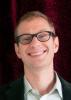
Peter Selkin, SIAS
EMBRACE-EAR-Seed: Meltwater and Suspended Sediment in a Glaciated Volcanic Watershed
NSF EMBRACE
The geographic patterns of sediment erosion and transport in glaciated watersheds are likely to change dramatically as anthropogenic global warming raises air temperatures, causes glaciers to retreat, and shifts rainfall intensity and seasonality. In spite of its importance to flood control, ecosystem health, and water quality, the transport of fine suspended sediment is difficult to monitor on a watershed scale. We propose to quantify and map the spatial variation in mineralogy (particularly iron oxides, oxyhydroxides, and silicates) of the easily transportable silt-sized fraction of sediments within the Puyallup River watershed from upland glacial sediment sources on Mt. Rainier to the Puyallup River depocenter in Commencement Bay.

Heather Dillon, SET
M-Cure Multiple-Mentor Model for Broadening Participation in STEM
Clare Booth Luce Award
Henry Luce Foundation
The Luce Foundation funding will be directed to support the salary of Dr. Emese Hadnagy (she/her), Associate Professor and Chair of the Civil Engineering Program at UWT. Dr. Hadnagy’s salary is currently funded by a state proviso for the new engineering programs in SET. This aligns well with the foundation’s mission of supporting women in STEM. Dr. Hadnagy has been a strong advocate for equity and mentors other women faculty and students in engineering.

Zhiquan (Andy) Shu, SET
ERI: Single-mode Electromagnetic Resonance (SMER) Heating for Ultrafast and Uniform Rewarming of Cryopreserved Organs
National Science Foundation (NSF)
Long-term cryopreservation and biobanking of organs can address the organ shortage crisis in transplantation and save the lives of millions of patients with organ failure each year. However, as the “holy grail” in cryobiology, organ cryopreservation remains an unsolved problem due to the critical challenges, in particular, the lack of efficient methods for ultrafast and uniform heating during rewarming. So far none of the conventional heating methods can achieve fast enough and uniform rewarming of the vitrified organs, leading to organ damage caused by devitrification/recrystallization and thermal stress-induced fractures.
This ERI project aims to launch an integrated research and education program, overcome the longstanding barrier in organ cryopreservation by advancing the innovative technology of electromagnetic (EM) heating based on the PI’s preliminary studies, especially the recent progress in the EM rewarming of large volume biosamples. First, we will investigate the dielectric relaxation mechanisms and characteristics of multiscale biological systems, which will bridge the knowledge gap and lay the foundation of EM heating technology for cryopreservation. A single-mode electromagnetic resonance (SMER) technology with automatic control of the resonant state for ultrafast and uniform heating will be further developed based on theoretical simulation and experimental studies. Vitrification solutions (VS) for organ preservation will be optimized according to the property measurements, not only for high vitrification tendency and low toxicity (currently existing criteria for VS since the 1980s) but also for maximum absorption of EM energy and prevention of the “thermal runaway” nonuniformity in heating (additional new criteria for VS proposed in this project), ensuring both efficient vitrification and rewarming. Finally, as the model organ for testing, rabbit kidneys will be vitrified with the optimized VS and protocol, and then rewarmed by the developed novel SMER system, followed by in vitro evaluations of the viability and functionalities of kidneys.
Congratulations to the following sponsored research award recipients at UW Tacoma. (Awards received between September 2022-April 2023)

Rachel Endo, School of Education
The AAPI THRIVE (Tacoma Husky Retention and Inclusive Vision of Excellence) Project at University of Washington Tacoma (UWT)
US Department of Education (DOEd)
This new program aims to develop and enhance support for UWT’s AAPI students. With leadership from the Office of Equity and Inclusion, the AANAPISI Development Team identified three major gaps in service to Asian American and Pacific Islander students, including: 1) disparity in retention rates between full-time, first-time in college AAPI students and transfer students, 2) severely limited faculty development in high-impact, best practices of inclusive teaching and curriculum development 3) serious lack of connection and engagement of AAPI students with the campus community. Learn more about AAPI THRIVE and its continuing efforts on the program website.
Ka Yee Yeung-Rhee, SET
MorPhiC Data Resource and Administrative Coordinating Center
University of Miami
Molecular Phenotypes of Null Alleles in Cells (MorPhiC) is a new program at NIH with the overarching goal to develop a consistent catalog of molecular and cellular phenotypes for null alleles for every human gene, using in vitro multicellular systems. This Data Resource and Administrative Coordinating Center (DRACC) for the MorPhiC Consortium will be responsible for establishing a repository of consortium- generated data and metadata, analyses and annotations, and related information that will enable future efforts to understand the function of protein-coding genes. The DRACC will work closely with other consortium components to develop standardized data submission, quality metrics, and processing. The DRACC will also support modeling, visualization, and validation efforts by the Data Analysis and Validation (DAV) Centers. The DRACC will disseminate the primary data, processed and annotated data, and associated visualizations to the research community via a web portal and via programmatic interfaces. In addition, the DRACC will develop methods to integrate with similar or complementary resources. Finally, the DRACC will serve as an administrative coordination center and thus will lead outreach efforts and support consortium-led analyses.

Emma Slager, School of Urban Studies
Connect Across Tacoma: devices, skills, and service expansion for digital equity
US Department of Commerce
This project will address the digital divide through three key components: device access, digital skills, and service access. Device access means having devices that are robust enough to meet the demands of online learning, remote employment, and service delivery. Our program will deliver 500 Microsoft Surfaces to low-income students and patrons within a 15-mile radius of the UW Tacoma campus. Digital skills are another important cornerstone of our work. With skills in community networks, coding, security, advocacy, community organizing, and more, we will build a pipeline of what we call digital stewards. Black Brilliance Research has trained two cohorts of digital stewards and won workforce development funds. The internet service itself is a significant barrier for people with no or limited access to high-speed internet. We include investments in backhaul for testing community network infrastructure, as well as money to purchase service for at most 137 people at 18 months total.
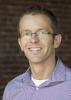
Wesley Lloyd, SET
A Tool to Facilitate Model Calibration Using Cloud Enabled Multi-group Particle Swarm Optimization
US Department of Agriculture (USDA)
PI Lloyd will design and test new methods of deploying the MultiGroup Particle Swarm Optimization (MG-PSO) method for calibration of the ARS Ages watershed model. Linking broadly parallel model calibration with a new interface will promote adoption of these cloud computing services and enhance wide-spread applications of Ages to address food and water security. All ARS software developed in this project will be open source and freely available for use within and outside of ARS.
Joel Baker, Center for Urban Waters
Puget Sound Institute
Puget Sound Partnership
The primary objective of this agreement is to provide science support for Puget Sound recovery per the partially funded award from U.S. EPA to the Puget Sound Partnership. The purpose of this support is to:
- advance science-based Implementation Strategies
- ensure the Puget Sound recovery maintains and improves its ecosystem perspective
- identify and prioritize critical information needs
- ensure critical evaluation and peer review of recovery plans and other documents
Joel Baker, Center for Urban Waters
Collaborative Leadership Project
Puget Sound Partnership
WA Department of Fish and Wildlife (WDFW)
WA Dept. of Agriculture, City of Tacoma
This funding will help initiate a project with TVW and other collaborators to capture and report on the 50-year history of collaborative approaches to natural resource management in Puget Sound and elsewhere in Washington State. Funding from local partners is intended especially to ensure that the project pursues and develops stories related to Nisqually Basin watershed management, Shared Strategy for Puget Sound, the Puget Sound Partnership, and other Puget Sound oriented natural resource management situations. To learn more about this project, click here.
Andy James, Center for Urban Waters
Effects based Characterization of Chemicals in Puget Sound Biota
WA State Department of Ecology
This project will investigate the occurrence and impacts of trace organic contaminants on aquatic biota through three approaches: 1) optimize methods for chemical recovery and identification utilizing mass spectrometry approaches, 2) identify source-specific chemical tracers in water and tissues for source apportionment and exposure characterization, and 3) measure and evaluate the relations between chemical uptake and metabolic responses of organisms in controlled and field exposure scenarios.
Andy James, Center for Urban Waters
Characterization of CEC in Salmon Bearing Streams
King County Water and Land Resources Division
This work will focus the targeted sampling and quantification of 6PPD-quinone in selected streams across an urban gradient within the King County watershed. 6PPD-quinone is the oxidation product of the antioxidant 6PPD (N-(1,3-dimethylbutyl)-N′-phenyl-p-phenylenediamine) which appear to be ubiquitous in tires and tire wear particles. 6PPD-quinone has been associated with Coho salmon prespawn mortality in urban streams. This work will also support analysis and reporting for previously-collected water samples with King County in 2021 and 2022.
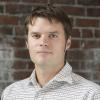
Edward Kolodziej, SAM-SIAS and Center for Urban Waters
Evaluation of 6PPDQ treatment using soils and sorbent media
WA State Department of Ecology
Over several years of collaborative effort Washington State University in Puyallup and the University of Washington in Tacoma recently discovered a new chemical in roadway runoff that is primarily responsible for the acute mortality observed in coho salmon in stormwater-impacted watersheds throughout the Puget Sound basin. The chemical (“6PPD-quinone” or “6PPDQ) is toxic to juvenile coho salmon at concentrations near or below 100 ng/L. Driven by its widespread use in tire rubbers, we expect this toxic chemical to occur in all receiving waters downstream of busy roadways, likely at lethal concentrations during some storm events. Notably, 6PPDQ is a transformation product; it is generated from the reaction of an antioxidant ‘parent’ chemical 6PPD that the literature implies is added to all vehicle tires. While this new chemical and its suspected provenance have been identified and verified in the scientific literature, considerable research is needed to characterize its environmental transport and fate, its removal in treatment systems and conditions promoting treatment to reduce toxicity that it induces in coho salmon and other species relevant to Washington State waters. This research effort with the University of Washington – Tacoma Center for Urban Waters (UW) is expected to improve the basic understanding of the chemical properties and aspects of 6PPDQ formation and treatment to natural and engineered sorbents.
Following the discovery of environmental relevance of the tire additive 6PPD and the oxidized byproduct 6PPDQ, Ecology and partners have reviewed and prioritized a list of data gaps. One research priority is to evaluate and optimize the performance of natural soils and stormwater treatment media with respect to 6PPDQ. 6PPDQ is expected to occur widely in the environment and will require management (e.g. source control and treatment system implementation) prior to discharge in sensitive habitats and receiving waters in proximity to busy roadways.
Edward Kolodziej, SAM-SIAS and Center for Urban Waters
Source and Fate Assessment of 6PPD-Quinone in the Seattle Metro Region
Washington State Department of Ecology
This project will lay the foundation for continued research on the impacts of tire contaminants to Pacific salmonids. The target question for focused research investigations include: 1) how do ambient physical, chemical and biological characteristics impact the leaching rates and stability of tire wear particles and associated organic contaminants?

Tarang Khangaonkar, Salish Sea Modeling Center-Center for Urban Waters
Modeling the Effects of Alkalinity Enhancement Technology– Salish Sea Model Refinement and Application in Sequim Bay, WA
ClimateWorks Foundation
Salish Sea Modeling Center group at UW Tacoma will support the PMEL team proposal to NOAA National Oceanographic Partnership Program - Ocean Acidification Mitigation through Marine Carbon Dioxide Removal. The focus of the study is to test the technology developed by Ebb Carbon Inc. that was recently formed to commercialize an electrochemical ocean alkalinity enhancement technology for marine carbon dioxide removal (mCDR). Ebb Carbon’s process extracts acid from seawater, which in turn increases ocean alkalinity. The proposed study evaluates the implementations of this acid sequestration technology through a combination of an extensive prototype field deployment test and analysis using a three-dimensional ecosystem model of the receiving water. PMEL will lead the overall project while also conducting investigations with a focus on sensor technologies associated with the marine mCDR nearfield effects. Ebb Carbon will conduct a field implementation of their technology in the Salish Sea. The site selected for the field deployment of Ebb Carbon technology is Sequim Bay, WA. The PNNL Marine and Coastal Research Laboratory (MCRL) located on Sequim Bay, will provide coordination and logistics involved with setting up the field trial in collaboration with Ebb Carbon. SSMC will be responsible for providing the computational hydrodynamic and biogeochemical model for this study to assess the feasibility and ecosystem response to the proposed OA mitigation technology.

Erica Cline, SAM-SIAS
Building Inter- and Intra-institutional Partnerships to Recruit and Support Running Start First Year Students as Engineering S-STEM Scholars at the University of Washington Tacoma
Virginia Polytechnic Institute and State University (Virginia Tech)
The project includes an optional Early Fall Math course to enhance entry into STEM majors,
and participants are able to engage in a Research Experience or project-based Introduction to Design
course in their first year. Coupled with an optional on-campus STEM living learning community and
required individual faculty mentoring, the required quarterly Success in STEM seminar course helps
scholars form a cohesive community through group mentoring, helping develop a sense of belonging,
identity, and empowerment to transform the culture of STEM. This project is distinguished by its focus
on pre-STEM majors in their first and second years on campus, and includes mentoring training for
~30-40 faculty in teaching and mentoring diverse student populations, impacting all students in our
majors.
We have generated two interrelated research questions that address how intra- and inter-institutional
partnerships might best be crafted to support our S-STEM scholars. Our S-STEM program eligibility is
limited to incoming first time in college (FTIC) students, and therefore we have primarily recruited from
local high schools. We have learned, however, that a substantial proportion of these incoming students
are entering with college credit they earned while in high school, primarily via Running Start, a
Washington State program that encourages high school juniors and seniors to attend local two year
schools for free. While Running Start FTIC students face some of the same challenges as incoming
freshmen without college credit, we hypothesize that they may have some unique needs. For example,
our first year CURE may not be at the appropriate level, and a more advanced CURE might better fit their
needs. We are particularly interested in how to partner with our local two year institutions to recruit
current Running Start students (i.e., enrolled in high school but earning college credit at their institution)
into our S-STEM program and develop additional program elements that are tailored to their level to
better support their success as they transition to UW Tacoma.
Matthew Harvey, Politics, Philosophy and Public Affairs division of SIAS
The Effect of Police Force on Trust
Russell Sage Foundation
Much of the current debate on police violence has fixated on the causes of violence rather than on its effects. Impassioned responses from those who feel policing is unfair have led to the empowerment of groups like Black Lives Matter, protests, riots, and even a national town hall. In short, the effects of police violence are far from negligible. It is even likely, that these effects extend beyond cries for reform and affect the underpinnings of markets: trust and trustworthiness. To date there has been little research on the effects of police violence. This is likely due to paucity of data on both police violence and the inability to link affected individuals to their behavior as economic agents. To this end I craft and experiment to track economic agents’ decisions after exposure to police violence. Individuals will be exposed to a video of police violence in the lab and then play the trust game to gauge the video’s effect on trust and trustworthiness. Thus, the experiment seeks to answer the question: does police violence affect an agents trust and trustworthiness? This project and resulting paper will contribute to burgeoning literature on the effects of police violence and existing literature on violence and its effects on trust.
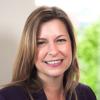
Jill Purdy
From Climate Knowledge to Climate Action in Sport (CAS)
Norwegian School of Sport Sciences
The primary objective of CAS is to understand the processes leading from climate knowledge to climate action in sport organizations. The project has five secondary objectives. First, CAS will document sport’s impact on the climate and estimate the effects of emission-reductive measures. Second, CAS will test the effect of measures to influence individual's travel behavior in the sport context. Third, drawing on the first two, CAS will study how sport club leaders frame scientific documentation of sport’s impact on the climate and envision solutions at the club level. Fourth, CAS will explore the processes of framing and structuring through which sport organizations - two federations and one major international event - translate knowledge into collective meaning, action and institutional structures to reduce emissions. Fifth, CAS will draw on its theoretical framework and empirical findings to develop a theoretical model for analyzing the institutionalization of climate action in sport.
Belinda Louie, School of Education
Project TELL-EQUITY Teaching English Language Learners-Equity
US Department of Education (DOEd)
Project TELL-Equity aims to increase the capacity of Grades K–8 pre-service and in-service teachers in to provide effective and equitable language and literacy instruction for English learners. This instruction will promote learning and meaning-making by building on students’ experiences and knowledge, and their linguistic, cultural, and cognitive resources. TELL-EQUITY has 4 goals to support the needs of the LEA partner school districts and to address the grant priorities in providing PD that will improve instruction for English learners: 1) Increase the certification and EL endorsement rates of preservice teachers, 2) Improve effective instruction for ELs by increasing the number of inservice teachers with EL endorsements, 3) Support strategies that promote school readiness of ELs and their transition from early childhood education programs to elementary school programs. (4) Ensure ELs’ equitable access to education by facilitating ELs’ language and literacy growth professional activities for educators and parents on linguistically and culturally responsive instruction. This project will serve to 507 unduplicated participants: 75 preservice teachers resulting in certification and state EL endorsement licensure, 150 inservice teachers resulting in state EL endorsement, 6 inservice kindergarten teachers in year 3 will receive PDs and follow-up mentoring in Early Childhood Shared Reading (Competitive Priority 1treatment group), 6 inservice kindergarten teachers will receive PDs in year 3 on multicultural picture books (Competitive Priority 1 control group), and 120 inservice teachers, 30 principals, 90 parents, and 30 district liaisons receiving six hours of equity PD during the annual summer institutes.
Congratulations to the following sponsored research award recipients at UW Tacoma. (Awards received between July -September 2022)

Julia Aguirre, School of Education
Collaborative Research: Advancing Equity and Strengthening Teaching with Elementary Mathematical Modeling (EQ-STEMM)
National Science Foundation (NSF)
EQ-STEMM focuses on equity-centered professional development (PD) designed to improve mathematics teaching and learning through mathematical modeling (MM) in grades K-5. MM, “a process that uses mathematics to represent, analyze, make predictions, or otherwise provide insight into real-world phenomena” (Bliss & Libertini, p. 8, 2016), gives students equitable access to complex problem solving, quantitative reasoning and communication skills required for participation in STEM-related disciplines and civic engagement (English & Sriraman, 2010; Lesh & Zawojewski, 2007). Project goals are to a) increase equitable participation and learning of mathematical modeling for culturally and linguistically diverse children; b) develop and test tools and resources to strengthen MM instruction that leverages students’ lived experiences and cultural funds of knowledge; and c) develop and refine a model for an innovative practice-based PD that includes on-line hybrid learning spaces for teachers in diverse settings.
Ka Yee Yeung-Rhee, SET
FY22 Advanced Medical Technology Initiative (AMTI) Program
Madigan Army Medical Center
The value of neutralizing antibodies in responding to novel infectious diseases has been highlighted during the COVID-19 pandemic with emergency use authorization (EUA) granted for five anti-SARS-CoV-2 monoclonal antibodies within the first 1.5 years of the pandemic. However, the rapid turn-around time for development of these monoclonal antibodies was both aided by prior knowledge of key antibody targets from SARS-CoV-1 studies and hindered by a development pipeline that had not yet been optimized. Lives could have been saved if the delay were shortened. Our aim is to demonstrate the feasibility of shortening the delay by using immunosequencing and bioinformatics methods. Using Chlamydia trachomatis, the etiologic agent of chlamydia, as a model organism, we will specifically use these methods to identify putative protective antibodies, and then validate their protective capacity in vitro.

Debasis Dawn, SET
Low SWAP-C Remote ID Device for UAS
KalScott Engineering Inc.
The FAA has released new regulations for small UAVs (unmanned air vehicles), known as the RemoteID rule. In collaboration with KalScott, Prof. Dawn is developing very low size/weight/power/cost devices for RemoteID. The devices will broadcast (on several bands and protocols) data from the UAV, so that it can be tracked in real time by ground-based users. Data gathered can be used for unmanned traffic management (UTM). This is a Phase II effort that will involve device development and flight testing/evaluation.

Tessa Francis, Puget Sound Institute- Center for Urban Waters
Salish Sea Coupled Modeling Framework
The Paul G. Allen Family Foundation
Growing and moving human populations and stressors originating from land and climate change threaten freshwater, nearshore and estuarine species and systems, as well as the social and economic systems that depend on them. The connections among these systems are poorly understood and the Puget Sound region lacks the comprehensive data and analyses to make well-informed choices.
The Puget Sound region is graced by having on hand cutting-edge terrestrial, estuarine, and marine ecosystem models that have on their own been proven useful in supporting decisions and advancing understanding. Linking these models would provide a platform for gaining insights into the connected systems of human use, terrestrial hydrology, estuarine-ocean circulation and biogeochemistry, and marine food webs.
This project will link the VELMA ecohydrological model, the Salish Sea Model, the Atlantis ecosystem model, a high-resolution land cover change model, and a qualitative social-ecological model under the coordination of the UW Tacoma Puget Sound Institute. This project will result in a linked set of models parameterized for the entire Puget Sound basin and its watersheds, delivering a tool with the ability to support regional planning and restoration decision-making under alternative climate, population, and land use futures for a broad range of regional objectives, from orcas to human wellbeing.
Tarang Khangaonkar, Salish Sea Modeling Center-Center for Urban Waters
Alteration of Snohomish River Estuarine Characteristics following Multiple Large Restoration Projects – Modeling Assessment
Tulalip Tribes
Predicting changes to estuarine hydrodynamics is often conducted as part of feasibility assessment prior to restoration related shoreline and structural modification. These assessments are conducted using available bathymetry prior to restoration actions. Through this project, we plan to conduct modeling-based assessment of the post restoration conditions. The first restoration project was completed at the Qwuloolt Marsh site in 2015, followed by projects at Union Slough, Smith Island, and Bringer Farm sites.
Tarang Khangaonkar, Salish Sea Modeling Center-Center for Urban Waters
Evaluating the interaction of water quality and eelgrass in Coos Bay, Oregon using a biophysical model
Oregon Ocean Science Trust (OOST)
Estuaries provide important services to coastal communities and include vital ecosystems, such as seagrass beds. Seagrasses are valued, in part, for their potential to mediate ocean acidification and hypoxia (OAH), which are emerging stressors in the US Pacific Northwest. However, the susceptibility of seagrasses to various anthropogenic impacts and recent declines in seagrass have prompted the need to better understand the drivers of seagrass and the water quality consequences that occur with variation in seagrass abundance. The goal of this project is to evaluate the dynamics of pH, dissolved oxygen, and native eelgrass (Zostera marina) in Coos Bay, Oregon to elucidate OAH vulnerability and estuarine ecosystem services associated with eelgrass. Our approach leverages previously collected monitoring data (water quality and eelgrass), an existing hydrological model of Coos Bay, and an existing framework for a biogeochemical model, to produce a complete, validated biophysical model of Coos Bay. The model will then be used to run scenarios comparing water quality in Coos Bay with and without eelgrass. The analysis will be framed within the context of ecosystem services, particularly OAH mitigation, and results will inform estuarine conservation and management. In the future, the model produced by this project could be used to explore numerous additional research questions about changes in climate, ocean processes, or land use for Coos Bay. Furthermore, Coos Bay is representative of other coastal estuaries in the Pacific Northwest so the model framework, results, and management implications produced from this study will be informative for other locations.
Tarang Khangaonkar, Salish Sea Modeling Center-Center for Urban Waters
Skagit River Estuary Hydrodynamic Modeling
Washington State University (WSU)
The Salish Sea Modeling Center (SSMC) staff while at the Pacific Northwest National Laboratory (PNNL), developed the Skagit Hydrodynamic Model (SHDM) (Whiting et al. 2017, Khangaonkar et al. 2017). It is a three-dimensional unstructured grid coastal tidal circulation model capable of providing dynamic oceanographic information such as water surface elevation (WSE), currents, salinity, and bed-shear at a sufficiently high resolution and scale necessary to support assessments of interactions between river flow, tides, and different restoration actions and their cumulative effects on the nearshore habitat. This is an improved version of the hydrodynamic model of the Skagit River estuary previously developed by Yang and Khangaonkar (2007, 2009). The model uses finite volume community ocean model (FVCOM) code (Chen et al. 2003) and solves the three-dimensional momentum, continuity, temperature, salinity, and density equations in an integral form by computing fluxes between non-overlapping, horizontal, and triangular control volumes. The use of SHDM was recommended by the Washington State Academy of Sciences as part of a scoping effort for a comprehensive hydrologic study of the Skagit Estuary. The overall study was planned in response to a need to address knowledge gaps that were raised by the Skagit Water Supply and Demand Synthesis conducted previously by the State of Washington. The Water Research Center at Washington State University (WSU) has been tasked with developing detailed scopes for various components of the hydrologic study and executing the research through State of Washington funding. The hydrologic study piece includes five sub-projects. Sub-project 4 is titled “Hydrodynamic Modeling” that is directly related to SSMC experience and expertise associated with the Skagit River Estuary hydrodynamics and contributes to subproject 2 titled “Improve understanding temporal variation in aquatic habitat characteristics”.
Edward Kolodziej, Sciences and Mathematics division of SIAS and Center for Urban Waters
Analysis of Neonicitinoid Pesticides in Mesocosms
Washington State University (WSU)
Dr. Kolodziej’s environmental chemistry lab at the University of Washington – Tacoma will assist Dr. John Stark’s research group at Washington State University-Puyallup to perform chemical analysis for neonicitinoid pesticides in laboratory mesocosm studies. This analysis is part of a study conducted by WSU’s to assess the fate and toxicological relevance of neonictinoid pesticides to various aquatic species. Dr. Kolodziej’s lab will process and analyze mesocosm samples for these neonicitinoid pesticides using liquid chromatography - tandem mass spectrometry (LC-MS/MS) methodologies. QA/QC samples (blanks, spikes, duplicates) will be analyzed in addition to the above samples. Quantitative concentration data will be the primary research output of these efforts.
Weichao Yuwen, School of Nursing and Healthcare Leadership
AI-Enabled Nursing Support Platform for Latino Caregivers
Rita and Alex Hillman Foundation
The goal of this project is to develop and test the usability, feasibility, and preliminary efficacy of an artificial intelligence (AI)-enhanced nursing support platform – Caring for Caregivers Online (COCO) – to provide Latino family caregivers of children with chronic health conditions with on-demand, personalized, and emotionally intelligent caregiving support and interactive self- and family-management skills development. The objectives and activities aim to identify cultural adaptations to the current English version of COCO to improve its relevance for Latino caregivers and develop prototypes for usability testing. Throughout the process, we will build upon prior work and integrate diverse perspectives by engaging long-term community partners(n=10), including the Mujeres Latinas Apoyando la Comunidad (MLAC). We will use the Cultural Treatment Adaptation Framework (CTAF) to guide the adaptation process. After identifying key adaptation components, we will first create low-fidelity then high-fidelity prototypes in two rounds of usability testing through a human-centered design approach with family caregivers (n=5*2). The project team will modify the design of COCO in response to testing and develop a mobile application of Latino COCO for pilot testing.
Next, project activities will aim to describe the feasibility, acceptability, and preliminary efficacy of COCO for Latino caregivers of children with chronic health conditions to improve common caregiving symptoms (e.g., fatigue, stress, guilt, worry, and sleep disturbances) using a single-arm pre-and post-test pilot design. The project team will pilot test COCO with 30 new Latino family caregivers and take precautions in preventing access-, uptake-, adherence-, and effectiveness-related inequalities according to the Model for Intervention-Generated Inequality (IGI) Prevention.
Sunny Chieh Cheng, School of Nursing and Healthcare Leadership
Partnering to Advance Teen Help-seeking (PATH): Innovations in Addressing Mental Health Inequity among School Youth Populations
UW Medicine Garvey Institute for Brain Health Sciences
In this project, the study team led by Prof. Cheng will partner with Tacoma Public Schools (TPS) to implement Mental Health First Aid (tMHFA) and will examine its potential to address disparities in mental health access and outcomes for racial and ethnic minority teens. In Washington State, 74% of 10th grade students report anxiety and 20% report suicidal ideation, making it critical to promote help-seeking during this developmental stage. Research shows tMHFA promotes help-seeking for adolescents in need. However, research and theory demonstrate the influence of factors such as race and ethnicity on health behaviors such as help seeking. Research confirms help-seeking disparities among racial and ethnic minorities, due to barriers such as mental health literacy, stigmatizing attitudes, and previous mental health problems experiences. Engaging racially and ethnically diverse youth in strategies such as tMHFA holds promise for reducing disparities in access and outcomes; however, research has not previously examined this hypothesis.
Congratulations to the following sponsored research award recipients at UW Tacoma. (Awards received between January - June 2022)
Lorne Arnold, School of Engineering and Technology (SET)
Investigating the use of sliding block methods as an index for seismically induced rock slope failure volume -a proof of concept study
Royalty Research Fund Spring 2022
Seismically induced rock slope failures have caused tens of thousands of deaths and economic losses in the billions of dollars over the last century. They are among the most common, dangerous, and least understood of all seismic hazards. Recently, progress has been made toward understanding the fundamental mechanism of seismic rock slope failures using the Bonded Particle Model (BPM). Although powerful, BPM is computationally intensive and best suited to individual site characterization rather than modern, regional-scale or probabilistic hazard assessments. In contrast to BPM, sliding block methods (SBMs) are quick to run and widely used for seismic soil slope analysis. However, rock slope behavior during earthquakes is not well-captured by SBMs. In this study, pairs of BPM and SBM models of simple rock slopes will be subjected to a suite of recorded ground motions, and a framework for correlation of behaviors from complex (BPM) and simplified (SBM) analysis methods will be developed. The results of this study will provide a proof of concept showing that models of rock slopes with increasing levels of geologic complexity can be correlated to simplified methods, laying a strong foundation for future work and funding that will expand the parameters of both BPM and SBM models to encompass a wide range of rock slope characteristics. By developing a broad correlation with simplified methods that can reliably predict some of the key behaviors of rock slopes during earthquakes, this work will enable researchers, practitioners, and policy-makers to mitigate the severe detrimental consequences associated with this phenomenon.

Anindita Bhattacharya, School of Social Work and Criminal Justice
Understanding Help-Seeking Pathways among Racially Minoritized Women Experiencing Intimate Partner Violence: A Longitudinal Investigation
Royalty Research Fund Spring 2022
The World Health Organization estimates that 30% of women in a romantic relationship experience intimate partner violence (IPV), with racially minoritized women at a higher risk of victimization compared to White women. Since the start of the Covid-19 pandemic, there has been an alarming increase in rates of IPV. Despite the expansion of IPV-related programs in the US, racially minoritized women are less likely to seek help than White women because of personal, interpersonal, and systemic barriers. Scant literature examines longitudinal help-seeking pathways among racially minoritized women and how their needs and service use change over time. Guided by the theory of help-seeking and an Intersectional Feminist lens, the proposed project will fill a critical knowledge gap by conducting a longitudinal study with 15-20 survivors over 6 months to examine help-seeking pathways. Through sequential interviews with racially minoritized women, the study will: 1) Describe racially-minoritised women’s pathways to help-seeking and their experiences and perceptions related to service-use over time and, 2) Identify key individual, interpersonal, and socio-cultural factors that influence each stage of help-seeking; and 3) Elicit critical insights into the cultural relevance and acceptability of current services. Identifying barriers to service use will highlight focal points for future gender-sensitive and culturally responsive interventions. The longitudinal orientation of this work will advance theory and enrich knowledge around how stages of help-seeking operate across time for racially minoritized women. This study also advances the field by responding to the need for more survivor-centered research and practice, particularly among racially minoritized women.
Chieh (Sunny) Cheng, School of Nursing and Healthcare Leadership with Lucas McIntyre, MultiCare Tacoma General Hospital and Susan Ramos, MultiCare Health System
Building Community Capacity Among MultiCare, Tacoma Public Schools, and University of Washington to Support Underserved Youth Well-being
Population Health Initiative Tier 1 award – Feb. 2022
Washington State ranks 43 out of 51 in the US for access to mental health services. For example, over 42% of Tacoma Public Schools (TPS) students face service barriers due to being economically disadvantaged. Accordingly, the Washington Office of Superintendent of Public Instruction has deemed building staffing capacity to support student well-being a key priority in 2021-23. Studies demonstrate that consultations that are transferable from behavioral health care experts to school staff are an efficient, scalable, cost-effective and sustained model. However, this model has not been adopted in TPS. This capacity building project aims to strengthen an established partnership between UW Tacoma, TPS and MultiCare Adolescent Behavioral Health Unit and conduct a needs assessment that will inform the development and implementation of a transferrable consultation program that supports students’ mental well-being. The project goal aligns with two pillars of population health—human health and social and economic equity—by establishing a collaborative framework with under-served public schools and developing an evidence-based training program to improve youth mental health.
Weichao Yuwen, School of Nursing & Healthcare Leadership with Trevor Cohen and Serena Jinchen Xie, UWS Department of Biomedical Informatics and Medical Education, and Magaly Ramirez, UWS Department of Health Systems and Population Health
Exploring Multicultural and Multilingual Methods in Developing Dialog -Based Health Technologies
Population Health Initiative Tier 1 award – May 2022
In the United States, 53 million family caregivers are the backbones of our healthcare system. These informal caregivers spend on average more than 20 hours per week providing unpaid care to the care receiver, and this amount is even higher among the 40% of caregivers self-identified as having a racial or ethnic minority background. In addition, at least one-third of caregivers speak a language other than English at home. Existing barriers that prevent these marginalized caregivers from accessing services include a lack of culturally sensitive and linguistically appropriate programs of care.
On-demand digital health technologies delivering interventions through text-based dialogs could be cost-effective solutions to support family caregivers. Recent innovations in machine learning and artificial intelligence (AI) have the potential to automate labor-intensive work such as language translation. However, these technologies, if used without careful intention, can increase biases and existing imbalances for marginalized groups.
To our knowledge, there has not been the development of efficient multilingual AI language models in the health domain. We propose to conduct a literature review of multicultural and multilingual model development methods in developing health dialogs and perform pilot training using an existing caregiver-domain-specific dataset in English to translate to and train in Spanish. This funding will support us to perform preparatory work and lay the foundation to submit for a larger grant to further develop novel and cost-effective methods in training cross-lingual language models in the health domain.

Huatong Sun, CAC-SIAS
Articulating Resilience Towards a Caring Democracy: Building a Research-Informed Allyship Network for Anti-Racist CPTSC Scholars
Council for Programs in Technical and Scientific Communication (CPTSC)
Fighting against institutional racism and systemic oppression is a long-term process. To articulate strategies of resilience collectively towards “a caring democracy” (Toronto, 2013), this project proposes to build a research-informed allyship network for anti-racist CPTSC scholars as they are treading through their journeys. We’re employing an innovative approach that integrates knowledge building and community-engaged activism with platform technology. Qualitative interview will be a core part to help allyship network participants to increase resilience. Web platform, email newsletter, and social media engagement strategies will be used to disseminate best practices and strategies of resilience for anti-racist teaching and research in the TSC field. The innovative network-building work model informed by
academic research can be scaled to transform currently perfunctory practices in the DEI industry, which is our responsibilities as TSC scholars to promote anti-racist programs and pedagogies and to initiate changes, dismantle institutional racism, and carve out a better future.
Erica Cline, SAM-SIAS
Promoting Early Retention of STEM Students: The Achieving Change in our Communities through Equity and Student Success (ACCESS) in STEM Program, Phase 2
National Science Foundation
The “Achieving Change in our Communities through Equity and Student Success” (ACCESS) in STEM Phase 2 Program will 1) recruit talented, low-income students to STEM degrees, 2) retain those students, 3) support their academic success in STEM, and 4) broaden participation in STEM for underrepresented populations (URPs).
UWT is a four year, public, urban, predominantly undergraduate institution (PUI), 45% Pell Grant eligible, and 55% first-generation to college degree (First Gen); 66% enter as transfer students. We are classified as a minority-serving institution (AANAPISI), and 33% of students are persons excluded due to ethnicity or race (PEERs). Despite rapid recent growth in our STEM programs, STEM degrees are requested by 31% of entering undergraduates, but only 26% of students graduate in a STEM major, with even greater disparities for women; 22% request STEM but only 15% graduate with STEM degrees. Among STEM-interested students, 16% of all students, 19% of First Year (e.g., first-time-in-college and first-year transfer students), and 25% of First Year PEERs and 27% of First Year First Gen students do not re-enroll after their first year. Graduation rates reflect similar patterns; for STEM-interested students, 27% of undergraduates, 40% of First Year students, and a striking 50% of First Year PEERs do not graduate in any major within 6 years.
To address this attrition point, the ACCESS program Phase 2 will provide targeted support during the crucial first two years, through annual scholarships of up to $10,000/yr for three cohorts of sixteen incoming First Year STEM-interested students per year. Eligible majors include all UWT STEM degrees (Mathematics, Environmental, Biomedical, and Computer Science, Information Technology, and Computer, Electrical, Mechanical, and Civil Engineering). Our optional, newly developed Early ACCESS summer math prep program will enhance entry into STEM majors, and ACCESS scholars will have the option to engage in a Research Experience or project-based Introduction to Design course in their first year. Coupled with an optional on-campus STEM living learning community and required individual faculty mentoring, the required quarterly 1 credit, non-graded Success in STEM seminar will form a cohesive community through group mentoring, skills development, and equity and inclusion workshops, helping develop a sense of belonging, identity, and empowerment to transform the culture of STEM.
Yan Bai, SET
GenCyber Tacoma: UW Tacoma 2023 GenCyber Camp for Middle School Students
National Security Agency (NSA)
Utilizing well-established recruitment platforms, close partnership with Tacoma Public Schools, and Washington State University Gear Up Program, UW Tacoma hosts a one-week-long GenCyber hybrid student camp along with year-round outreach activities that engage 60 eighth and ninth grade residential and non-residential students from historically underrepresented groups in STEM fields. We anticipate a continued expansion beyond South Puget Sound schools into East Washington in collaboration with College Success Foundation-Tacoma and the Office of Early Outreach at Washington State University. Through culturally responsive, hands-on and project-based pedagogy, youth will learn Cybersecurity First Principles, gain cybersecurity knowledge and skills, learn online safety practices and privacy techniques, develop foundational knowledge of ethical use of technology and increase their interest in cybersecurity educations and careers.
Kayee Yeung-Rhee, SET
Integrative and interactive analyses of host transcriptional response to COVID-19 and other respiratory viral infections
National Institutes of Health (NIH)
With the on-going coronavirus disease (COVID-19) pandemic, the scientific community is racing to develop vaccines, diagnostics, and treatment strategies for patients. Given the varying severity and potential complications across different patients, it is critical to understand the underlying mechanisms of how the host responds to the severe acute respiratory syndrome coronavirus 2 (SARS-CoV-2). While SARS-CoV-2 is a novel coronavirus, there is an extensive knowledge base and abundant publicly available data on other respiratory viral infections, such as influenza, rhinoviruses, the severe acute respiratory syndrome coronavirus (SARS-CoV-1), and the Middle East respiratory syndrome coronavirus (MERS-CoV).
This proposal focuses on secondary analysis of publicly available RNA sequencing (RNA-seq) data, and the development of software tools to facilitate the characterization of the host transcriptional response to SARS-CoV-2 and how this response compares to other known respiratory viruses. In particular, we will re-analyze the RNA-seq data profiling transcriptional response to SARS-CoV-2 infection available in NCBI Gene Expression Omnibus (GEO), such as GSE147507 (1), and GSE150316 (2). We will adopt a compendium approach to compare gene signatures from SARS-CoV-2 to those from other respiratory viruses. This compendium of gene signatures will be generated using the same analytical workflows, thus ensuring that interpretations of host transcriptional response are derived from data that are consistently processed. We will also provide an accessible browser-based dashboard to integrate data query capabilities with updatable and customized analytical workflows.
Kayee Yeung-Rhee, SET
Precision nutrition impact on health-related behavior change in active duty service members
Geneva Foundation
Military readiness is contingent on Service Members (SMs) being medically fit for duty. Despite high rates of physical activity, over 50% of military SMs are overweight, highlighting the negative impact of poor dietary behaviors on health and wellness. Active component soldiers with excess body fat are less capable of maintaining medical readiness and engaging in the prolonged physical activity required to carry out combat missions. Injuries occur at a higher rate in all overweight SMs making them less deployable and likely on a profile; musculoskeletal injuries account for 10 million limited duty days each year and 76% of the medically non-deployable population. As if these statistics are not concerning alone, 13% of SMs have one or more diagnosed chronic conditions with the most common being cardiovascular disease (CVD) manifested by high blood pressure in 56% of this young population. Strategic solutions for supporting health and readiness in times of high operational tempo and uncertain threats in diverse environments remain elusive but one undeniable strategy to harness is self-care. Efforts to meet this high demand for health-related behavior change must engage, motivate, and support the individual at the center of the care dynamic. We will again adopt Pender’s Health Promotion Model as the conceptual model for this study examining genes, diet, activity, and environment interactions because it effectively organizes variables previously identified as determinants of health that are amenable to intervention. Precision nutrition leverages the specificity of molecular and phenotypic differences toward personalizing diet interventions. Our interprofessional and highly qualified research team experienced with top priority issues of military readiness and health proposes the following aims and research questions:
Specific Aim 1: Examine the effectiveness of precision nutrition counseling on health-related
behavior change in a military population as measured by fasting glucose, LDL/HDL, %body fat, waist circumference, BP, and 25(OH)D. RQ1: Does the use of gene-based disease risk data in nutrition counseling yield greater improvement in metabolic, cardiovascular, and bone biomarker outcomes than standard dietary instructions?
Specific Aim 2: Evaluate the feasibility of a digital application to accurately capture dietary intake, environmental exposure, and physical activity. RQ2: Is app-based data collection for digital phenotype valid and reliable as a means of informing self-care lifestyle modifications when compared to in-person interviews?
Specific Aim 3: Describe military-unique characteristics in demographics, lifestyle choices, and geographic exposures for a northwest Army cohort and a southwest Air Force cohort. RQ3: Beyond genetics, what contributions to health risk or disease prevention?

Seung-Jin Lee, SET
Impact Assessment Program Support Planning for embodied carbon associated with building materials
Pacific Northwest National Laboratory/U.S. Dept. of Energy
The U.S. Department of Energy (DOE) is working to better understand the embodied carbon associated with building materials. Part of this effort includes developing industry guidance for new, emerging insulation materials associated with the Advanced Building Construction (ABC) initiative. This task will help fill in knowledge gaps associated with residential insulation materials, help develop an industry guidance document, and provide the needed performance data to help populate the Argonne GREET Tool. Part of the analysis included in the deliverables should help develop an end-of-life plan for each material, which currently is not well understood.
The University of Washington (UW) shall support PNNL, as well as the Argonne National Laboratory and with further support from the Oak Ridge National Laboratory to understand the embodied carbon of 5 relatively new insulation materials. The final material choices will be chosen by the advisory committee of the entities mentioned above, as well as the ABC-Collaborative which includes at least the Rocky Mountain Institute.
Heather Dillon, SET
Creating Equitable Pathways to STEM Graduate Education
Alfred P. Sloan Foundation
This project is focused on developing and supporting equitable pathways to STEM graduate education for Black, Latinx, and Indigenous Students, with an emphasis on female students. We plan to start optimizing existing undergraduate research programs at the three partner institutions to increase student participation in graduate programs, while dismantling systemic racism and institutional barriers. For this proposal we are focused on pathways in computer science and engineering fields, but we plan to expand the program to other STEM fields as our work matures.
Jeffrey Walters, SET
Research For All: Broadening Access to Research for Undergraduate Engineering Students
George Washington University/Kern Family Foundation
The collaborative, multi-university “Research for All” (R4A), seeks to develop tools and best practices that improve on the access and quality of undergraduate research experiences. The R4A project aims to broaden participation in undergraduate research with three complementary and interrelated tasks to develop entrepreneurially-minded (EM) frameworks and tools, Task 1: EM-focused course-based engineering research experiences (CURE), Task 2: EM-focused training modules that bolster student and faculty skills for improved quality and impact of these research projects, and Task 3: an online platform that connects students, faculty, and industry partners to enable and scale-up internal and external research collaborations. These will enable a substantial increase in access to meaningful and impactful research opportunities for undergraduate students. The eight universities involved in this grant proposal are George Washington University (GWU), George Fox University (GFU), North Carolina Agricultural and Technical State University, Olin College of Engineering, University of Washington–Tacoma, The University of North Carolina–Chapel Hill, Campbell University, Valparaiso University.
Haluk Demirkan, Milgard School of Business
An Industry Perspective on STEM Education for the Future, Further Explored: Workshop
International Society of Service Innovation Professionals (ISSIP)/National Science Foundation
This award provides support for a series of 3-hour virtual workshops, organized by the International Society of Service Innovation Professionals, ISSIP, to take place in 4Q2020 or 1Q2021. Building on the findings during the executions of an earlier award (No. 1917026 - “An Industry Perspective on STEM Education for the Future”), a few areas of research emerged that require further investigation in order to fully inform higher education leaders on industry perspective on skills needs for STEM jobs of the future.
1) How has industry perspective on skills demand changed as a result of the COVID-19 crisis?
2) How are industry recruiters and hiring managers screening STEM graduates for both “Specialized” and “foundational skills?"
3) From industry perspective, which colleges/universities curricula better align with industry demand?
4) Can a set of desirable curriculum and teaching pedagogy attributes be developed from findings?

Jeffrey Cohen
IDEAS (Increase and Diversify Education Abroad for US Students) Program
World Learning/ Bureau of Educational and Cultural Affairs, United States Department of State
This 10-hour virtual workshop, entitled Expanding Access and Inclusion: Developing Holistic Strategies for Recruiting and Supporting Students from Underrepresented Groups, is aimed at supporting U.S. higher education institutions in creating, expanding and diversifying study abroad opportunities for students and deepening their capacity to support students before, during, and after their study abroad experience. Drawing from the expertise and experiences of the host institution, facilitators, and the participants themselves, the workshop will engage participants around recruiting and supporting students from underrepresented groups with a focus on access and inclusion. Through four 2-hour, highly participatory, scaffolded sessions, workshop participants will engage with expert facilitators from across the United States and abroad to share promising and proven strategies, identify strengths and limitations in their current practices, and develop institutionally-appropriate resources to be shared with fellow participants and with the broader field through the IDEAS website and resource database.
Leading up to the workshop, participants will collect data about study abroad participation at their institutions, with an emphasis on key student demographics. Using these data, participants will identify underrepresented student groups at their institution and orient their resource development around expanding access and a sense of inclusion for these students. Throughout the workshop, participants will collaboratively develop three deliverables, present these at the follow-on session, and provide them to the host institution as part of there sources to be shared with IDEAS after completion of the workshop. These deliverables include: 1) A model lesson plan aimed at supporting study abroad program directors’ development of inclusive learning environments for study abroad students; 2) A model lesson plan aimed at supporting study abroad program directors’ design of inclusive study abroad programming, and; 3) An institutionally-appropriate study abroad outreach plan aimed at increasing participation among underrepresented students.
C. Andy James, Center for Urban Water
Screening and Prioritization of CECs in Regional Waters
Washington State Department of Ecology/EPA
The purpose of this work is to improve our understanding of the occurrence and ecotoxicological relevance of Contaminants of Emerging Concern (CECs) that have previously been identified as having the potential to cause biological impacts to aquatic organisms in the Puget Sound (i.e., contaminants of interest).
Tarang Khangaonkar, Salish Sea Modeling Center-Center for Urban Waters
Ocean currents boundary nesting for the Salish Sea Model using standard HYCOM Global Model Solutions – Preprocessing and Testing with FVCOM
Pacific Northwest National Laboratory
The overall objective of this project is to develop ocean boundary input preparation procedure for the Salish Sea Model (SSM) for the use of one-way nested ocean boundary connection to HYCOM. This objective is to be achieved through the following specific tasks: 1. Model compilation: Review FVCOM_v4.3 guidance to prepare the use of the model to operate in nested mode. This includes compilation with suitable modules turned on and preparation of the run control file; 2. Preparation of ocean boundary nesting file; 3. Prepare the nesting boundary input file that contain all required nesting variables in netCDF format SSM Testing in nested mode; 4. Conduct performance testing and skill assessment characterizing the influence of the mesoscale currents; 5. Development of FVCOM nesting preprocessing package; and 6. Prepare a software package that may be used with SSM grid to generate the nesting input file using standard HYCOM solutions for any specified year.
Congratulations to the following externally sponsored research award recipients at UW Tacoma. (Awards received between July – September 2021)
Ed Kolodziej, Sciences and Mathematics division of SIAS and Center for Urban Waters
MRI: Acquisition of a LC-High Resolution Mass Spectrometer for Characterization of Environmental Organic Contaminants
National Science Foundation (NSF)
Hundreds of thousands of anthropogenic chemicals are produced and used in modern societies; yet most of these have almost no data available on their environmental fate and toxicity. With so many potential environmental pollutants, high throughput and analytical capacity are critical limiting factors to research effectiveness. Because of the richness, depth and breadth of their data, suspect and non-target screening techniques employing high resolution mass spectrometry have now become key methodologies for environmental chemistry and engineering studies. Therefore, we seek to acquire a cutting-edge high-resolution mass spectrometer to identify, quantify, and source apportion emerging/unknown chemical pollutants in surface water, stormwater, drinking water, wastewater and biological tissue sample types. This instrument will be housed at the Center for Urban Waters. Our research team seeks to further develop cutting-edge expertise in environmental chemistry and engineering, especially suspect and non-target screening for chemical source control and treatment system optimization.
Alison Gardell, Sciences and Mathematics Division of SIAS
Collaborative Research: NSF-BSF: Somatic cell adaptation towards immortalization in a marine tunicate
National Science Foundation (NSF)
This project investigates the conditions and gene regulatory/ proteome networks that promote cell proliferation, counteract senescence, and induce somatic cell immortalization in the marine tunicate Botryllus schlosseri. Primary cultures of haemocytes and epithelial monolayers have been established for this species. They will be investigated to learn how (1) environmental factors (media supplements and attachment substrates), (2) stress-induced evolution, (3) synthetic biology
(manipulation of pro- and anti-proliferative genes), and (4) cell fusion technology alter cellular proliferation and senescence and the underlying molecular phenotypes (gene regulatory/ proteome networks). The goal is to a) understand the sequence of molecular events that promotes cell proliferation and inhibits senescence in vitro and b) to generate the first cell line for any marine invertebrate. This new collaboration integrates expertise in marine invertebrate cell culture, B. schlosseri culture, isolation of marine invertebrate stem cells, and cell fusion methodology (Rinkevich) with experience in fish cell immortalization (Gardell, Kültz), transcriptomics (Gardell), stress-induced evolution, synthetic biology, molecular phenotyping by proteomics, and network analyses of complex molecular phenotypes (Kültz).

Yan Bai, School of Engineering and Technology
GenCyber Tacoma: University of Washington Tacoma 2019 GenCyber Camp for Middle School Students
National Security Agency (NSA)
GenCyber Tacoma hosts two separate one week-long, non-residential student camps that will engage a diverse spectrum of urban youth in the sciences and arts of cybersecurity. While the UW Tacoma campus will host one camp, the second camp will take place at Franklin Pierce Keithley Middle School. UW Tacoma will utilize its well-established recruitment platforms and close partnership with Franklin Pierce Schools to target middle school students to engage 50 eighth and ninth grade students from demographic groups historically underrepresented in STEM fields. In time, we
hope to expand this program to provide additional offerings to elementary and high school students. We look forward to a gradual expansion into other nearby school districts, throughout Pierce County and into southern King County, including Federal Way, Kent and Renton. Through culturally responsive, hands-on and project-based pedagogy; youth will learn Cybersecurity First Principles, gain cybersecurity knowledge and skills, learn online safety practices and privacy techniques and will develop foundational knowledge of ethical use of technology and ultimately increase their interest in pursuing cybersecurity education and careers.
Andy James, Center for Urban Waters
City of Tacoma and UWT, Wapato Lake Stormwater Treatment Project
City of Tacoma/Washington State Department of Ecology
The City of Tacoma has taken and continues to take actions to reduce stormwater-related phosphorus impacts to Wapato Lake. As part of this ongoing effort the city has undertaken a Wapato Lake Stormwater Treatment project to evaluate treatment options to reduce and remove phosphorus from Wapato Lake in an effort to further improve water quality. UWT has knowledge and expertise to study and evaluate treatment options to reduce and remove stormwater-related phosphorus impacts to Wapato Lake. Therefore, the city has determined that UWT is highly qualified to provide a thorough evaluation of various stormwater treatment options to reduce and remove such impacts, and further that UWT’s proximity to the city within the Center for Urban Waters building facilitates informal opportunities to consult and collaborate frequently on such treatment evaluation, which benefits the Wapato Lake Stormwater Treatment project.
Wesley Lloyd, School of Engineering and Technology
Accessible Cloud-Based Multi-Omic and Imaging Analysis for the Cancer Research Data Commons the Cancer Research Data Commons
BioDepot LLC/National Institutes of Health (NIH)
This project is led by a grant submission by BioDepot LLC in response to the NIH National Cancer Institute SBIR contract Topic 428 proposal. The overarching goal of this project is to develop cloud-based analytical tools for multi-omics and imaging data for the cancer research community. In particular, investigators will build on their previous work, the Biodepot-workflow-builder (Bwb), a user-friendly graphical platform for building and executing bioinformatics workflows in the cloud. They will enhance the Bwb to provide a front-end to allow cancer researchers to easily access databases from the Cancer Research Data Commons (CRDC), and analyze multi-omics and imaging data using customizable cloud-based workflows from a curated repository.
Congratulations to the following externally sponsored research award recipients at UW Tacoma who received new funding between April-June 2021

Ander Erickson, Science and Mathematics Division, SIAS
CAREER: Supporting Undergraduate Students' Self-Directed Use of Online Resources in Lower-Division Mathematics Classes
National Science Foundation
UW Tacoma Assistant Professor Ander Erickson has been awarded a National Science Foundation (NSF) grant. The nearly $700,000 grant will allow Erickson the chance to learn more about how college students use online resources in so-called “gateway” mathematics courses. The grant is part of NSF’s Faculty Early Career Development or CAREER program, which supports early-career faculty who have the potential to serve as academic role models in research and education. It is the first such NSF grant made to a UW Tacoma faculty member.
Featured on the UW Tacoma website, learn more about this project here.
Juhua Hu, SET
Rare Event Prediction in Time Series
National Science Foundation
Predicting rare/extreme events within a time series is a critical task in a broad range of applications. For entities that administrate and manage computer networks, it is critical that they have the ability to anticipate when the number of queries being received by their servers will spike to an abnormally high amount. In the event that the number of network resources allocated is not sufficient to service the amount of traffic, the server can be rendered unresponsive and becomes susceptible to failure and security breaches. For the health care industry, it is also invaluable to predict when a hospital may receive an influx in the number of patients visiting, which may bring the facility to capacity. Otherwise, it is disastrous for hospitals as it can lead to longer waiting times, longer shifts for staff, and even death. However, rare/extreme events are often anomalies within a time series that are characterized by having comparatively small or large value and occur extremely infrequently. Therefore, this is a challenging problem because of the non-linear nature of these rare events, the inability to capture key information about the rare events in the systematic components of the temporal data, and the data imbalance between rare and normal events. Apparently, rare event prediction in time series is an important yet challenging problem. To the best knowledge, only a few works in the literature discussed this problem and the problem is not well studied. Therefore, the goal of this project is to investigate this problem and research potential solutions to address the above-mentioned challenges.
January - March 2021

John Finke, Sciences and Mathematics Division - SIAS
A portable biosensor for measurement of Covid-19 antibodies in community testing
M J Murdock Charitable Trust
This is a collaborative effort to develop a portable biosensor for measurement of Covid-19 antibodies in community testing. Murdock partner and high school teacher, Sarah Kaperick, will assist in critical stages of biosensor development enabling rapid quantitative point-of-care measurement of Covid-19 antibodies. This biosensor uses our "calibration free" microfluidic technology to improve sensitivity, specificity, and quantitative capability versus the numerous rapid tests on the market. The biosensor sensitivity and quantitative capability will be confirmed using a control antibody that targets the Covid-19 spike protein. The biosensor specificity will be assessed using a range of antibody preparations collected prior to the emergence of Covid-19. In collaboration with local biotech RAIN Incubator and Multicare, the optimized biosensor will be tested with set of confirmed positive and negative COVID-19 serum samples.
Ka Yee Yeung-Rhee, SET
A Precision Health Trial to Reduce Illness & Promote Resilience in Hospital Staff
The Geneva Foundation/Uniformed Services University of the Health Sciences
The goal of the proposed research is to provide evidence-based health and wellness guidelines to military treatment facility (MTF) healthcare staff to mitigate the risk of respiratory infections. Staff adoption of these educational guidelines will include assessment of biological/health risk parameters as well as measures of lifestyle behaviors, such as sleep, diet/nutrition and physical activities. Multiple datasets will be collected in this study, including gene expression data, clinical parameters and data from wearable fitness devices.
Matthew Tolentino, SET
Position, Navigation and Timing (PNT) Without the Global Positioning System (GPS)
Namatad/US Department of Defense (DOD)
The use of GPS has become ubiquitous for position identification and navigation. However, in many areas, such as within buildings, dense urban areas, complex terrain, or hostile environments, access to satellite-transmitted positioning signals may be limited, unavailable, or intentionally denied, limiting the spatial awareness and navigation capabilities of personnel in transit. To ensure continuity in navigation capabilities, alternative localization techniques are required to avoid personnel and assets from becoming lost or disoriented while traversing unknown areas.
In this proposal, the project team will implement and evaluate the changes identified during Phase I for adapting the Namatad FIREFLY localization platform for operational use by warfighters in GPS-denied areas. Project work focuses on realizing implementations of the optimizations and changes recommended during our feasibility analysis during Phase I. These include L2 network adaptations, modifications for large-scale deployments, transceiver optimizations and ranging adaptations for urban environments, and integration of jamming resilience techniques. The outcome of this project will be a ready-to-deploy, defense-focused version of the FIREFLY system for USSOCOM.
Katie Haerling, School of Nursing and Healthcare Leadership
Responding to a critical and urgent need: Informing evidence-based regulation of simulation in pre-licensure registered nursing education
The National Council of State Boards of Nursing
To protect the public, state boards of nursing (BONs) aim to develop and enforce evidence-based regulations (Spector et al., 2020). In recent years, and particularly during the COVID-19 pandemic, BONs have closely examined regulations related to the use of simulation in nursing education. Limited numbers of traditional clinical placement sites and restrictions around what student nurses can do during traditional clinical experiences often create less-than-ideal learning opportunities for undergraduate registered nursing students. At the same time, advances in technology and evidence supporting the use of simulation in undergraduate registered nursing education have led nurse educators to question how much traditional clinical experience can be replaced with simulation without impacting educational outcomes, what types of simulation are most effective, and what ratio is most appropriate for “counting” these hours. This project systematically addresses these questions by examining the use of mannequin-based simulation, virtual simulation, and traditional clinical in undergraduate registered nursing education. Findings from this study will provide critical insights to inform regulatory decisions about how to most appropriately calculate required clinical experience hours, including time spent in traditional clinical, mannequin-based simulation, and virtual simulation experiences.
Alison Gardell, Sciences and Mathematics Division - SIAS
Alaska Undergraduate Research Experience: Partnering for Alaska Students by Growing Recruitment and Retention through Undergraduate Research
University of Alaska, Anchorage/National Science Foundation (NSF)
The main goal of AK UNiTE (Alaska UNdergraduaTe research Experience) is to connect Alaskan students to local research opportunities in biological sciences to increase retention and better prepare students to enter research endemic to Alaska. This project will bring the Alaskan research community together to develop community partnerships with local research projects (e.g. local tribal councils, non-profits, state and federal agencies across Alaska) and create pathways for future undergraduate research opportunities. This project will identify community partnerships with local research projects, provide workshops on Course-based Undergraduate Research Experiences (CURE) development and place-based education for collaborators, develop a network informational hub within the Science Education Resource Center (SERC) website, and evaluate the network.

Heather Dillon, SET
Building an Entrepreneurial Mindset (EM) Concept Map Toolbox for Course and Program Evaluation
Rowan University/Kern Family Foundation
The goal of this project is to create a toolkit for faculty members to allow them to use a “master EM” concept map as a means for scoring student generated EM concept maps and assessing student progression over different time periods. Concept maps are considered to be a direct assessment tool as they can provide a snapshot of students’ conceptual understanding of EM at a specific time point. Concept maps have been used extensively as teaching and assessment tools for other engineering education
outcomes. Both quantitative and qualitative scoring approaches have been tested and validated in other areas but need more work for EM assessment.
Ed Kolodziej, Sciences and Mathematics Division – SIAS and Center for Urban Waters
Coho Toxicant Characterization
Washington State Department of Ecology/Environmental Protection Agency (EPA)
Over several years of effort together, UW and WSU research groups have recently discovered a new chemical in roadway runoff that is apparently responsible for the acute mortality observed in coho salmon in stormwater-impacted watersheds throughout the Puget Sound basin. The chemical is toxic to juvenile coho salmon at concentrations near or below 1 μg/L. They expect to detect this toxic chemical in all receiving waters downstream of busy roadways (hereafter referred to as the “toxicant”). Notably, this chemical is a transformation product; it is derived from the reaction of an antioxidant ‘parent’ chemical that the literature implies is added to all vehicle tires (hereafter referred to as the “parent compound”). While this new chemical and its suspected provenance have been identified, considerable research is needed to characterize its environmental transport and fate, and the toxicity that it induces in coho salmon and other species relevant to Washington State waters. Ongoing research efforts are expected to result in the quantification of this toxic chemical by a Washington Department of Ecology accredited method and a basic understanding of its occurrence and fate in select stormwater treatment systems. However, there still exists a considerable lack of insight into the effect of solution conditions (pH, ionic strength, turbidity, dissolved organic matter) and hydrology on the stability, transport, and toxicity of this chemical. The objective of this research project is to continue to research the characteristics and potential impacts of these compounds on the Puget Sound ecosystem.

Maria-Tania Bandes-Becerra Weingarden, Culture, Arts, and Communications (CAC)-SIAS
Book of Andy
City of Tacoma
The artistic merit of the production of The Book of Andy is three-fold. First, the arts in Tacoma, like the rest of the country, have taken a brutal hit. Artists in general are out of work and further, theatre artists have lost the ability to have their work produced in the traditional sense. This production brings together two organizations, with the support of a third, to create a virtual space to perform, while providing a number of artists in the community the ability to earn while practicing their craft. Cast will be made up of community members and students.
Second, both UWT and Dukesbay are committed to produce work from underrepresented groups and embrace diverse casting as their practice. The Book of Andy depicts a Latinx queer young man as its protagonist and explores issues unequivocally relevant to the LGBTQ+ community. Both the Latinx community and the LGBTQ+ communities have been historically underrepresented on the Tacoma stage, a contrast to recent statistical data demonstrating the growth of the Latinx community, up to 12%, and the steady growth of the LGBTQ+ community in Tacoma, an area often described as Washington’s “gayest” city. Visibility is important.
Last, this production is positioned as the only production UWT will produce this academic year, providing a much-needed training ground for future theatre artists that will eventually come from UWT, and more importantly, future theatre goers that will be eager for the live theatre experience in Tacoma in the future, when the pandemic allows us to once again enjoy entertainment face to face.
October-December 2020
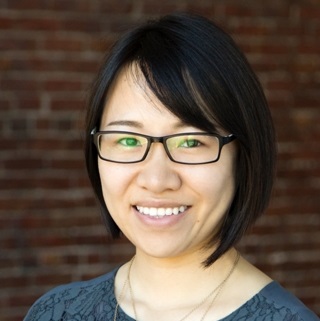
|
Congratulations to Weichao Yuwen, Nursing and Healthcare Leadership Assistant Professor, who is leading a project called “Coco” funded through UW’s CoMotion Innovation Gap Fund. This project aims to develop a platform that delivers on-demand, tailored, and empathetic support to family caregivers. A hybrid approach will be implemented that combines A.I and real-life coaching support in a self-learning system. |
|
Yan Bai, School of Engineering and Technology UW Tacoma GenCyber Camp for Middle School Students National Security Agency (NSA) GenCyber Tacoma hosts two separate one week-long, non-residential student camps that will engage a diverse spectrum of urban youth in the sciences and arts of cybersecurity. UW Tacoma will utilize its well-established recruitment platforms and close partnership with Franklin Pierce Schools to target middle school students to engage 50 eighth and ninth grade students from demographic groups historically underrepresented in STEM fields. It is hoped in time this program will expand into other nearby school districts throughout Pierce County and into south King County, including Federal Way, Kent and Renton. This ongoing approach could provide a clearly laddered elevation of student capabilities and enhanced ability to track student outcomes through the University and into their careers. Through culturally responsive, hands-on and project-based pedagogy; youth will learn Cybersecurity First Principles, gain cybersecurity knowledge and skills, learn online safety practices and privacy techniques and will develop foundational knowledge of ethical use of technology and ultimately increase their interest in pursuing cybersecurity education and careers. |
|
Wesley Lloyd, School of Engineering and Technology Optimized and accessible cloud-based multi-omics workflows for the Cancer Research Data Commons BIODEPOT, LLC/National Institutes of Health (NIH) Cloud computing has emerged as a solution to address the challenges of storing and analyzing big data. However, the technical complexity required to provision and configure virtual servers has been a major barrier to widespread adoption of cloud technologies in cancer research. There is a clear opportunity for a platform that can deliver optimized analytical tools to the cancer community and integrate seamlessly with existing multi-omics databases and tools. To address the gap in cloud optimized analytical tools for cancer omics data, we have developed the Biodepot-workflow-builder (Bwb), a user-friendly graphical platform for building and executing bioinformatics workflows in the cloud. |
|
Andy James, Center for Urban Waters Monitoring and Prioritizing Contaminants of Emerging Concern (CEC) in Columbia River Environmental Protection Agency (EPA) This project will provide occurrence information on previously unmonitored contaminants such as endocrine disruptors in Columbia River and utilize a range of effects information to evaluate potential for harm to important species. This project specifically addresses the funding priority, “increased monitoring and access to data from monitoring in the Columbia River Basin with a focus on toxics with an impact on human health and fish and wildlife.” |
|
|
Andy James, Center for Urban Waters Contaminants of Emerging Concern (CEC) in Salmon Streams King County Water and Land Resources Division/Environmental Protection Agency This agreement with King County and UW Tacoma is a flow through project originating from EPA funding via WA State Department of Ecology and King County. UWT will provide services to King County to help characterize chemicals of emerging concern (CECs) in salmon bearing streams in the Cedar-Lake Washington and Duwamish-Green basins. CECs are rarely monitored in the aquatic environment and results of this project will help fill this data gap. |
|
Ed Kolodziej, Center for Urban Waters Development of Chemical Indicators to Detect, Track and Assess Pollutants Washington State Department of Ecology This project will improve water quality by identifying and quantifying a suite of chemical indicators representing legacy, novel and emerging chemical toxicants important to salmonid health and that impair water quality, especially in systems impacted by urban storm water. Prof. Kolodziej and his team will survey the occurrence of chemical indicators in regional watersheds, particularly those in relation to watershed restoration efforts and evaluate treatment systems for identified chemical removal performance. |
|
Joel Baker, Center for Urban Waters Puget Sound Action Agenda-Implementation Strategic, Science, Monitoring and Adaptive Management Analysis and Activities Puget Sound Partnership An expert coalition will guide, use, review, and revise scientific processes and information to support the development and adaptation of Action Agenda Vital Sign Implementation Strategies (IS). The coalition will collaborate with Strategic Initiative teams, the Partnership’s science panel, the science community, and other partners to characterize the state of knowledge about Vital Signs and their management; identify and address needs for research, monitoring, and modeling, including contributions from social sciences; design the science based adaptation of ISs; and synthesize science findings to improve the development of ISs and to communicate key messages from and about ISs. During the fourth year of this award, the UW Tacoma Puget Sound Institute (PSI) team will continue to (1) develop regional consensus that Implementation Strategies are credible depictions of the paths to recovery and protection and (2) increase confidence that plans for recovery and protection will deliver expected results. |
|
|
Joel Baker and Tarang Khangaonkar, Center for Urban Waters |
|
|
Tarang Khangaonkar, Center for Urban Waters Salish Sea Model – Hydrodynamic Hindcast Solutions and Processing Support for a Zone-Of-No-Save Analysis Nuka Research & Planning Group, LLC Nuka Research and Planning Group, LLC (Nuka Research) has received a contract to conduct a Zone-Of-No-Save (ZONS) analysis in support of San Juan County’s (SJC) Oil Spill Risk Consequences Assessment. The ZONS analysis provides an estimate of the probability that an emergency response tow vessel (ERTV) could reach the location of a disabled vessel in time to achieve an emergency tow before the disabled vessel would drift aground. The analysis is expected to be conducted using Nuka Research’s proprietary model ZONS through a scenario-based application. The model provides probability estimates based on the scenario inputs, random samples of wind and current data drawn from historic winds, ocean current hind cast, and a ship drift trajectory algorithm. The Salish Sea Modeling Center (SSMC) at the University of Washington Tacoma Puget Sound Institute’s primary objective within the overall project is to provide wind and hydrodynamic hind cast solutions from the Salish Sea Model – Operational Forecast System (SSM-OFS) high resolution version for use with the ZONS model. |
|
Emma Rose, School of Interdisciplinary Arts and Sciences Understanding UX Teaching Practices in Technical and Professional Communication Technical and Scientific Communication (CPTSC) While Technical Communication and User Experience (UX) have long, intertwined histories, Technical and Professional Communication (TPC) programs have been slower to transition to preparing students for UX roles. In this research project, we will research existing teaching practices related to UX through a mixed method research project that includes a survey of TPC instructors about their current UX teaching practices, a corpus analysis of syllabi and assignments, and qualitative interviews with instructors of UX courses in TPC programs. The outcomes of this research will contribute to the development of best practices for teaching UX within TPC courses and programs. It will also help support the future creation of a repository of example teaching materials such as assignments and syllabi. This proposal responds to CPTSC grant opportunity as a curricular exploration that could lead to best or effective practices. UX is an important topic to the future of TPC and to date there has not been a large scale study trying to understand existing teaching practices related to UX. |
|
Belinda Louie, School of Education Teaching Engish Language Learners (TELL) Professional Development US Department of Education (DOEd) Project goals for TELL-PD aim at supporting educators to improve academic performance for English Learners (EL): 1) preservice teachers complete WA certification with EL endorsement license; 2) principals and in-service teachers complete hybrid professional development modules to improve EL instruction; 3) in-service teachers take online endorsement program; and 4) Parents, families, and community will expand and enhance their skills, strategies, and knowledge to communicate and to collaborate to support ELs’ learning. |
|
Jose Rios, School of Education The Next Generation of STEM Teacher Preparation in Washington State (NextGen-WA) Western Washington University A consortium of Washington State Colleges and Universities, in partnership with Washington’s Office of the Superintendent of Public Instruction (OSPI), P-12 educators, and other key stakeholders from business, government, and non-governmental organizations (NGO’s), seeks to transform science learning for all Washington State P-12 students by producing more, better prepared, and diverse elementary and secondary STEM Teachers. Cross-institutional Working Groups dedicated to improving 3 key components will research, create, and produce a set of materials and professional development workshops for Regional Teams of faculty and administrators from Institutions of Higher Education (IHEs), P-12 educators, and representatives from STEM businesses, NGO’s, and government agencies. These Regional Teams will in turn adapt, implement, and sustain teacher preparation program innovations tailored to their institutions and regions. Three capacity-building components: Organizational Change, Increasing the Diversity of the STEM teaching workforce, and Collaboration Building, will underlie the efforts of every Working Group and Regional Team. |
July - September 2020

Congratulations to Larry Knopp, SIAS Professor Emeritus, who is leading an NSF funded project titled Examining Shifting Geographies of Historically Underrepresented Groups with co-PIs Dr. Michael Brown, UWS Geography Professor, and Dr. Bo Zhao, UWS Geography Assistant Professor. This 3-year project started in May 2020 and is being administered by UW Seattle’s Center for Studies in Demography & Ecology.
This project aims to construct, analyze, and make publicly available a geographically extensive, longitudinal data set of LGBTQ spaces in the U.S. The data set will be compiled from a purposive sample of annual entries (1965-2014) in the only extant annually published national-scale source listing LGBTQ venues since the mid-twentieth century (Bob Damron’s Address Book, later known as The Damron Men’s Travel Guide – published annually since 1965 – and its companion, the Damron Women’s Traveler – published annually since 1990). The data will then be analyzed spatio-temporally using spatial statistics and GIS. Specifically, the project team will analyze and visualize shifting locational patterns of entries by city, state, and region; changes in the entries themselves (including the appearance and disappearance of particular entries, types of entries, and descriptions); and relationships between these.

Congratulations to Michael Honey, SIAS Professor, who was named a 2020-21 Fellow in the Radcliffe Institute for Advanced Study at Harvard University. Radcliffe
Fellows are exceptional scientists, writers, scholars, public intellectuals, practitioners, and artists whose work is making a difference in their professional fields and in the larger world.
As a Radcliffe Fellow, Dr. Honey will write “They Never Can Jail Us All: A Personal History of Repression, Resistance, and the Freedom Struggle,” tracing his experiences as a conscientious objector to war in the 1960s and an organizer in the Southern freedom movement from 1970 through 1976. Honey will research the newly-accessioned files of Angela Davis in Harvard’s Schlesinger Library, as well as civil liberties and rights records at the Wisconsin Historical Society. He will also use Freedom of Information Act surveillance records of the Federal Bureau of Investigation (FBI). In 1970, it placed him on its “security index” to be arrested, along with thousands of other civil rights and anti-war activists, during a declared national emergency. This is a book project developed partly at UW Tacoma with Mary Gates Scholarship winner Casey Reynolds Wagner, undergraduate researcher.

Congratulations to Ruben Casas, SIAS Assistant Professor and Anaid Yerena, Urban Studies Assistant Professor who are co-leading a project funded through UW’s Urban@UW Research Spark Grant program titled “How Dislocation Impacts Civic Engagement in Parks and Greenspaces.”
This project seeks to understand the impact of dislocation, a term used here to capture the experiences of people impacted by long commute times, on civic engagement. The PIs posit that long commute times correlate with decreased civic engagement as people have less time to encounter others in public space. In this project, they ask: how does dislocation impact whether, when, and how people use neighborhood parks and green spaces to engage with others in the community? Currently, many U.S. households experience dislocation as commute times have grown generally across the U.S. in the past 20 years. As people spend more time commuting they spend less time on leisure. This redistribution of time impacts the use of parks and green spaces even in regions in which there are abundant and high-quality ones. This project will measure just how much of an impact dislocation has on park use in the Central District of Tacoma, Washington.
Wei Cheng, School of Engineering and Technology
Smart Street Parking Assistant
National Science Foundation (NSF)
Finding street parking in big cities is challenging. Even more, street parking could be expensive (ticketed/towed) due to the misunderstanding of the street parking signs, which can be very complex to read and understand. Most of the existing parking apps are for garage parking. The needs of street parking were not well served. Although some cities’ DOTs provide street parking information like Seattle, the information may be obsolete. Moreover, entities other than DOT can also post their street parking signs; and different cities have different styles of street parking signs. In addition, drivers need more information for safety/comfortability than just allowed parking time and parking prices when they park in unfamiliar places. Therefore, there is still no one-for-all solution for street parking. The outcome of this project are two products: One is an App via which users can know how long they can park at a street parking spot by simply taking a picture of the signs. The other is the APIs for automobile manufacturers and Map/Navigation services providers, who can use the API for smart parking, route planning, and autonomous cars. Our solution can provide features such as convenience, economy, no parking ticket, no confusion, safe street parking guidance, worry-free, and trip planning. This project will be undertaken by a team of female entrepreneurs and minorities.
Christine Stevens, School of Nursing and Healthcare Leadership
Urban Universities and Food Insecurity During a Pandemic
The Coalition of Urban Serving Universities and the Kresge Foundation
The Coalition of Urban Serving Universities is hosting a collaborative research-based exploration that lifts up the experience of urban universities as leaders in basic needs delivery. Urban universities have demonstrated that they can innovate and adapt quickly to address and solve for basic needs in their communities. Because of their leadership in this area, grantees are primed to answer these and other questions:
• How is the pandemic changing basic needs innovations at institutions?
• How are universities articulating the student success impact of basic needs on students?
• What will basic needs look like in the fall and beyond? How do universities prepare for this?
• How does institutional racism differentially impact certain populations’ access to basic needs?
• What future directions should be explored? What areas are ripe for innovation?
The project will culminate in a publication (or multiple publications) which will include steps universities can take to ensure their student success efforts are addressing basic needs in an equitable manner, and provide insight to philanthropic organization as to how they can support universities in this effort.
Andy James, Center for Urban Waters
Effects based Characterization of Chemicals in Puget Sound Biota
Washington State Department of Ecology/Environmental Protection Agency
Humans are discharging a wide range of contaminants into receiving waters, with many of them being poorly characterized. According to a recent global survey, over 350,000 chemicals and chemical mixtures are utilized worldwide with a large fraction of them lacking even basic descriptions (Wang et al.2020). Many of these chemicals may affect the health of exposed species, leading to altered reproduction or affecting fitness and ability to survive. To better understand and manage pollutant loadings to aquatic ecosystems, we will survey water and biota from a range of sites to understand occurrence, sources, exposures, and potential impacts. The project will investigate the occurrence and impacts of trace organic contaminants on aquatic biota through three approaches: 1) optimize methods for chemical recovery and identification utilizing mass spectrometry approaches, 2) identify source-specific chemical tracers in water and tissues for source apportionment and exposure characterization, and 3) measure and evaluate the relations between chemical uptake and metabolic responses of organisms in controlled and field exposure scenarios.
Debasis Dawn, School of Engineering and Technology
Chip-based ADS-B for High Density, Low Altitude UAV Operations
KalScott Engineering Inc./National Aeronautics and Space Administration (NASA)
In collaboration with KalScott, Professor Debasis Dawn will continue development of a chip-based ADS-B for high-density, low-altitude UAV operations in the national airspace. This effort consists of designing and fabricating a multi-band transceiver chip that can provide ADS-B functionality. In addition, the chip will also have the ability to port vehicle data into other formats for dissemination over multiple bands. During this Phase II process, the components of this chip will be developed and tested individually, and then integrated into a final design as a single chip. This will be tested in the lab, on the ground in a moving vehicle, and finally in flight on a small UAV.